How to Stop Lettuce Seedlings from Collapsing in a Balcony Seed Tray
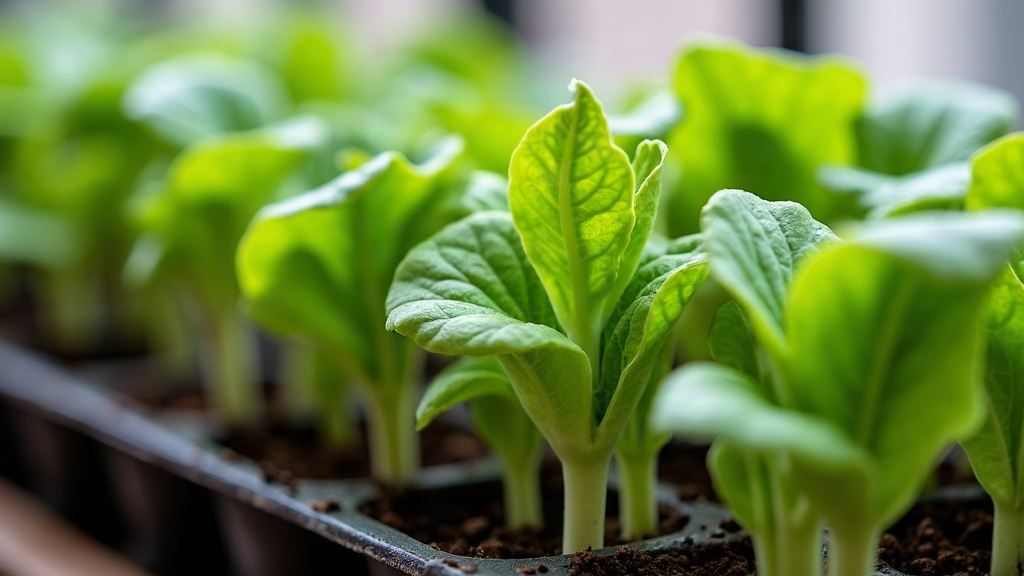
Lettuce seedlings collapse in balcony seed trays for one of three reasons: fungal damping-off at the soil line, weak “leggy” stems from insufficient light, or heat and moisture stress from poor airflow. Fixing the problem starts with figuring out which one you’re dealing with, then adjusting watering, light, and airflow before you resow.
Why Lettuce Seedlings Suddenly Flop Over
Lettuce is about as easy as it gets for starting indoors or on a balcony, but those first two to three weeks are fragile ones. A tray that looked fine yesterday afternoon can show pinched, blackened, or flopped-over stems by the next morning. That’s not unusual, and it’s rarely one mystery cause. In rough order of likelihood, here’s what’s probably going on:
- Damping-off disease, a soil-borne fungal or water mold infection that rots the stem right at the soil line
- Legginess, stems stretched too thin and too tall to hold the seedling’s own weight
- Overwatering or poor drainage, waterlogged roots that simply can’t keep the plant standing
- Heat stress, a tray baking in direct midday sun until the stems wilt and never recover
Identifying the Cause
Damping-Off (Fungal Rot)
Get down close and look at the base of a fallen seedling. A thin, water-soaked, brown or black pinch right where the stem meets the soil is the giveaway. This one moves fast, sometimes wiping out a cluster of seedlings within a day or two rather than picking them off one by one.
Fix it:
- Use fresh, sterile seed-starting mix. Never recycle old potting soil from a previous planting, it’s practically an invitation for this fungus.
- Skip overhead watering. Bottom-water instead, setting the tray in a shallow dish of water for about 10 minutes.
- Get a small fan running on low for a few hours a day. Airflow matters more than people think.
- Don’t crowd the seeds. Thin down to one seedling per cell early on.
- If rot is already spreading, pull the affected seedlings out immediately and hold off on watering for a day so the surface can dry a bit.
Leggy, Weak Stems
Tall, pale, thin seedlings toppling under their own weight, but with a stem base that still looks healthy (no rot), point to a light problem, plain and simple. Lettuce wants 12 to 16 hours of strong light. A partly shaded balcony or a windowsill just doesn’t cut it most of the time.
Fix it:
- Move the tray to the brightest spot you’ve got, ideally somewhere getting 4 to 6 hours of direct morning sun.
- If natural light is thin, add a small LED grow light positioned 3 to 4 inches above the seedlings.
- Rotate the tray daily so seedlings don’t all lean toward the same window or light source.
- Once you transplant leggy seedlings, bury the stem a little deeper than usual. It stabilizes them nicely.
Waterlogging and Poor Drainage
Balcony trays often sit in saucers that quietly trap water, keeping the mix soggy for days at a stretch. Soggy soil suffocates roots and softens stems, and seedlings can collapse this way even with zero fungus in sight.
Fix it:
- Check that every single cell actually has a drainage hole.
- Empty saucers after each watering. Don’t let trays sit in standing water, ever.
- Water only once the top layer of soil feels dry to the touch, not before.
- Use a proper, well-draining seed-starting mix rather than dense garden soil.
Heat Stress on Exposed Balconies
South- or west-facing balconies can push tray temperatures past 85°F (29°C) by midday, especially if a plastic humidity dome is still sitting on top. Lettuce prefers it cooler, somewhere around 60-70°F (15-21°C), and it wilts fast once things heat up.
Fix it:
- Take the humidity dome off as soon as seeds germinate.
- Relocate trays somewhere with morning sun and afternoon shade.
- Water early in the morning so plants aren’t under stress during the hottest part of the day.
- During a heat wave, a light shade cloth can buy you a lot of breathing room.
Quick Recovery Checklist
- Pull out any collapsed or visibly rotten seedlings right away to stop the spread
- Switch to bottom-watering and let the surface dry out between rounds
- Add airflow with a small fan
- Aim for at least 12 hours of bright light a day
- Keep trays out of harsh midday sun once temperatures start climbing
When to Just Resow
If more than half a tray has gone down from damping-off, don’t waste time trying to nurse the survivors. It’s usually faster to toss the mix, disinfect the tray with a diluted bleach solution (1 part bleach to 9 parts water), and start over with sterile mix.
Conclusion
Collapsing lettuce seedlings almost always come down to soggy soil, weak airflow, not enough light, or fungal damping-off, and every one of those is fixable with better watering habits, more light, and a bit more ventilation. Catch the warning signs early, tweak your setup accordingly, and your next tray of balcony lettuce should grow sturdy enough to transplant without drama.