Why Basil Leaves Turn Yellow After Repotting: Fix Transplant Shock
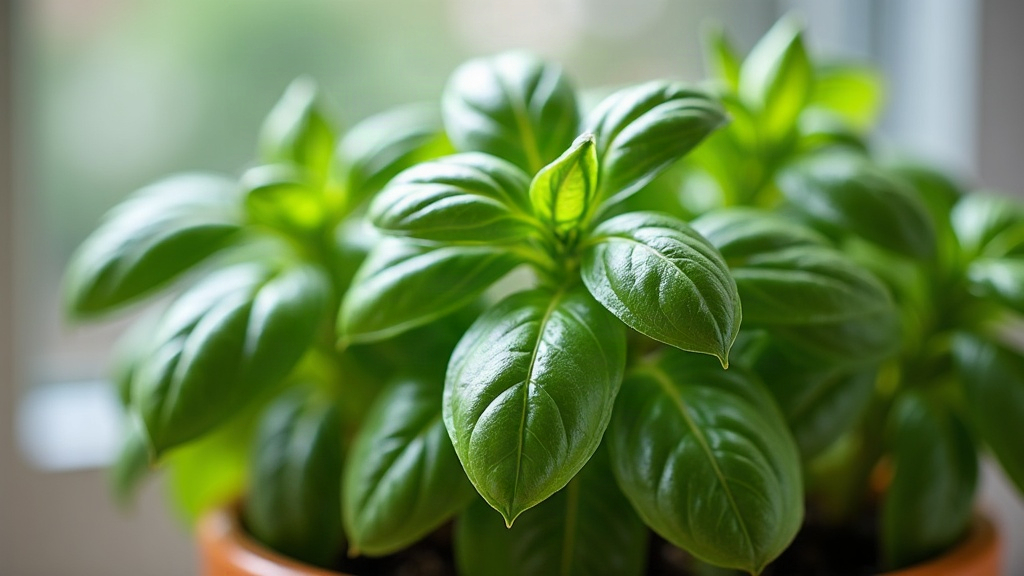
If your container basil went yellow right after you moved it to a new pot, don’t panic. This is almost always transplant shock, a temporary stress response triggered by root disturbance, an off-balance watering routine, or a sudden shift in light and temperature. The silver lining: basil bounces back fast. Most plants recover in 7 to 14 days once you fix the watering, light, and root conditions that are stressing it out.
Why Repotting Triggers Yellow Leaves
Basil’s root system is shallow and touchy, it really doesn’t like being disturbed. The moment you repot, several stressors land on the plant at once:
- Root damage: Even a gentle hand tears the tiny root hairs responsible for pulling in water and nutrients.
- Transplant shock: The plant suddenly can’t draw up enough water to keep every leaf fed, so the older, lower leaves turn yellow and drop as the plant pulls back to save energy.
- Soil change: Fresh potting mix often drains at a different rate than the old soil, faster or slower, which throws off whatever watering rhythm you’d settled into.
- Light shift: Moving the pot, even just a few feet across the room, changes how much light hits the leaves and adds one more stressor to the pile.
- Temperature swing: A cold draft or a sudden dip below 50°F (10°C) right after repotting slows root recovery and shows up as yellowing within days.
How to Tell Transplant Shock From Other Problems
Not every yellow leaf means shock. Run through these checks first.
Likely Transplant Shock
- Yellowing showed up within 1-5 days of repotting
- Mostly the lower, older leaves are affected
- The plant still feels firm, not wilted or mushy
- No pests on the leaves or stems
Probably Something Else
- Overwatering/root rot: yellow leaves paired with mushy, dark stems and a sour smell coming off the soil.
- Underwatering: yellow leaves that are also dry, crispy, and curling at the edges.
- Nutrient deficiency: yellowing shows up weeks after repotting, usually starting in new growth (nitrogen) or between the leaf veins (iron/magnesium).
- Pests: check for aphids, spider mites, or fine webbing on the undersides of leaves.
How to Fix Transplant Shock in Basil
1. Check and Adjust Watering
Basil likes soil that’s consistently moist, never soggy.
- Push a finger 1-2 inches into the soil. Only water once it’s dry at that depth.
- Make sure the new pot actually has drainage holes. If it doesn’t, drill some or switch pots.
- Skip the “just in case” daily watering. Honestly, this is the single biggest cause of post-repot yellowing, the roots end up drowning rather than drying out.
2. Give It Bright, Indirect Light First
Hold off on harsh direct sun for the first 2-3 days after repotting.
- Set the pot somewhere with bright, indirect light (an east-facing windowsill is a good bet).
- Ease it back into full sun gradually over 4-5 days, once you spot new growth.
- Growing indoors? Run a grow light 6-8 inches above the plant for 12-14 hours a day to speed things along.
3. Stabilize Temperature
Aim to keep basil somewhere between 65-85°F (18-29°C).
- Keep pots clear of drafty windows, AC vents, and cold exterior doors.
- If you’re growing outdoors, don’t repot right before a cold snap rolls in.
4. Hold Off on Fertilizer
Feeding a stressed plant right away can actually burn roots that are already struggling. Resist the urge.
- Wait 2-3 weeks after repotting, then use a diluted, half-strength balanced liquid fertilizer.
- Fresh potting mix usually carries enough nutrients to cover the first few weeks on its own.
5. Trim Yellow Leaves and Stressed Growth
Cutting away the damaged leaves lets the plant put its energy into rebuilding roots instead of propping up dying foliage.
- Pinch off any leaf that’s gone fully yellow, right at the stem.
- Leave the healthy green leaves alone. Basil needs them to photosynthesize and regrow.
6. Avoid Repotting Mistakes Next Time
- Repot in the morning or evening, never during the hottest part of the day.
- Size up only 1-2 inches from the old pot. Go bigger and you’ll end up with excess moisture sitting around the roots.
- Pick a well-draining mix (regular potting soil cut with perlite works fine), not garden soil straight from the yard.
- Water thoroughly right after repotting. This settles the soil around the roots and knocks out air pockets.
How Long Does Recovery Take?
Most basil plants are back on track within 1-2 weeks. Signs recovery is underway:
- New leaves come in green and firm
- No fresh yellowing creeping up into the upper leaves
- Growth picks back up to its normal pace
If the yellowing drags on past 3 weeks, or it’s spreading fast, pull the plant and check the roots. Dark, mushy, foul-smelling roots point to rot, and at that stage you’ll likely need to trim away the damaged parts and repot again into fresh, well-draining soil.
Conclusion
Yellow leaves after repotting basil are usually just a passing symptom of transplant shock, not a death sentence for the plant. Get the watering consistent, ease it into light gradually, keep temperatures steady, and go easy on the fertilizer. Do that, and your container basil should be fully recovered within two weeks, back to its vigorous, fragrant self.