What to Plant After Harvesting Spring Bulbs in Late May
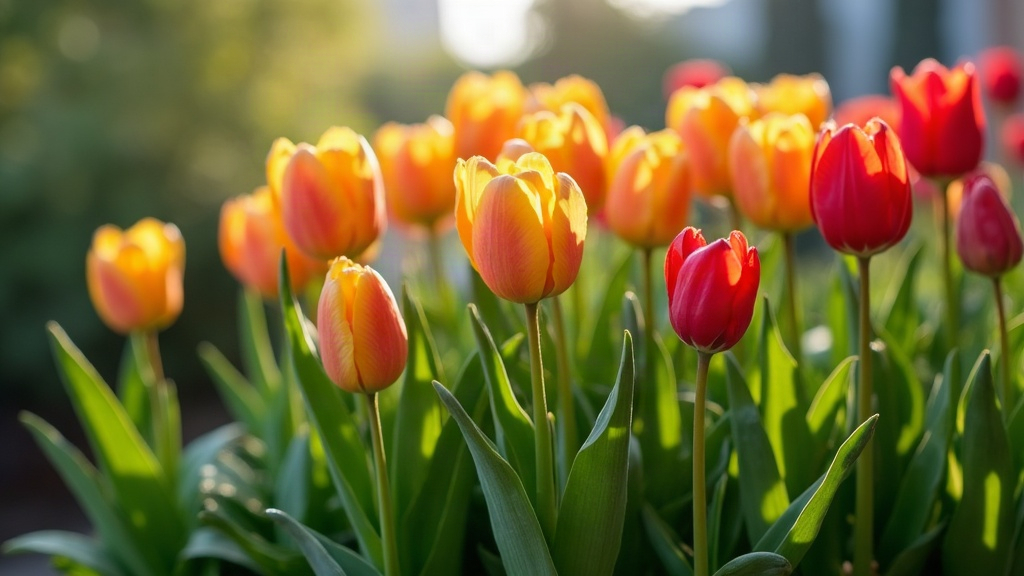
Once your tulips, daffodils, and hyacinths wrap up their show and the foliage starts going yellow in late May, don’t let those balcony containers just sit there empty. That’s prime real estate, honestly, and it’s ready for a quick turnaround into summer color, herbs, or something you can actually eat. The trick is getting the timing right on bulb removal, refreshing the soil underneath, and picking heat-tolerant plants that can get their roots down before the real summer heat hits.
Step 1: Know When It’s Safe to Remove Spring Bulbs
Before you yank anything out, make sure the bulbs are truly done. Pull them too early and you’re stealing next year’s bloom energy right out from under them.
- Let the foliage yellow on its own. Don’t cut it while it’s still green, no matter how messy it looks. Those leaves are photosynthesizing, recharging the bulb for next season.
- Try the tug test. If a leaf comes away with barely any pressure, the bulb’s finished storing what it needs.
- Decide whether to save or toss. Tulips in pots rarely come back strong a second year, so a lot of balcony gardeners just treat them as one-season annuals and compost the lot. Daffodils and hardy alliums are different though, you can lift them, let them dry out, and tuck them back in come fall if you want another round.
Step 2: Refresh the Container Soil
Bulbs eat through nutrients while they’re blooming, so by late May that potting mix is usually running on empty.
- Scoop out the top third of the old soil along with any leftover bulb debris.
- Work in fresh compost or a slow-release balanced fertilizer, something like 10-10-10 works fine.
- Check the drainage holes. A wet spring can leave soil compacted and clogged, so loosen things up with a hand fork before you go further.
- Switching to edibles instead of more flowers? Go a bit richer and add some perlite to keep drainage sharp.
Best Plants for Balcony Containers After Spring Bulbs
Heat-Loving Flowers
These are built for exactly what comes after bulb season: warming soil, longer daylight hours.
- Zinnias – fast to bloom, loves full sun, makes a great cut flower too
- Petunias and calibrachoa – the old reliable trailing fillers, they’ll bloom non-stop right up until frost
- Marigolds – tough in the heat and doubles as a pest deterrent
- Cosmos – airy, drought-tolerant, and will bloom within 7 to 8 weeks from seed
Edibles That Love a Late-May Start
Honestly, late May is about as good as it gets in most temperate climates. Soil’s warmed up well past any frost risk by now.
- Cherry tomatoes (stick with determinate or bush varieties for pots)
- Bush beans – quick to produce, and you won’t need to stake them
- Basil, dill, parsley – these naturally slot into old bulb spots since they want the same sunny exposure
- Peppers – they love the warm soil the bulbs leave behind
Foliage and Texture Plants
Want something low-maintenance that doesn’t demand constant deadheading?
- Coleus – bold foliage color, works in partial shade or sun depending on the variety
- Ornamental sweet potato vine – fills in and trails fast, handles heat without complaint
- Dusty miller – that silvery foliage looks great next to bold summer blooms
Succession Planting Tips for Smooth Transitions
- Stagger the bulb removal. No need to empty every container on the same afternoon. Pull one pot, replant it, move to the next a few days later.
- Interplant for overlap. About 2 to 3 weeks before you plan to clear the bulbs, tuck summer annual seedlings in between the still-yellowing foliage. By the time you pull the old growth, the new plants are already settled in.
- Match the sun exposure. Most spring bulbs are fine with part sun, but things like zinnias, tomatoes, and peppers want 6+ hours of direct light. Take a second look at your balcony’s actual light before you commit to anything.
- Adjust watering gradually. Bulbs prefer things on the dry side after blooming, but summer annuals and vegetables want steady moisture. Ease into daily watering rather than flipping the switch overnight.
Common Mistakes to Avoid
- Dropping heat-sensitive seedlings, lettuce for example, into a full-sun container in late May. They’ll bolt almost immediately once it warms up.
- Reusing old, compacted soil without amending it first. New roots just won’t establish well in that.
- Skipping the hardening-off step for seedlings started indoors before putting them out on an exposed balcony.
Conclusion
Late May really is a hinge point for balcony containers. The bulbs have done their job, and now the warming soil and longer days are practically begging for summer annuals, herbs, and compact vegetables. Wait until the foliage has fully yellowed before pulling bulbs, refresh that tired soil, and go with fast-establishing plants like zinnias, basil, or bush tomatoes. Do that and your containers stay productive and colorful clear through the summer.