Self-Watering Planters vs Drip Irrigation for Balcony Vegetables
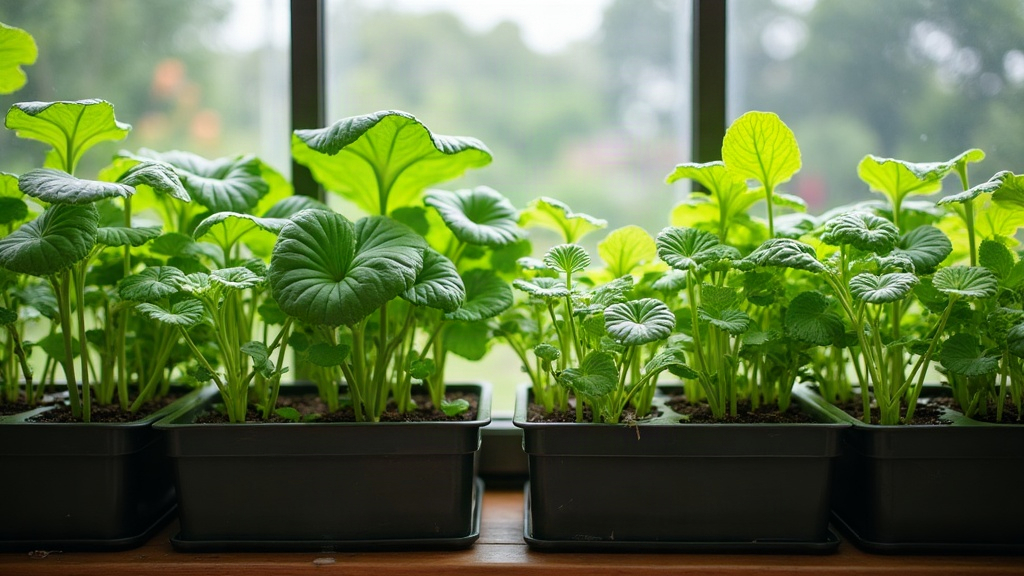
If you’re heading out of town and nervous about your balcony tomatoes surviving without you, it really comes down to one question: self-watering planters or drip irrigation? Self-watering planters win on simplicity and price for small setups (say, 1 to 10 containers) and shorter trips. Drip irrigation pulls ahead once your balcony gets crowded, your plants have wildly different needs, or you’re gone for more than two weeks. Let’s get into how each one actually works, where they fall short, and which one will keep your vegetables alive while you’re sipping coffee somewhere far away.
How Self-Watering Planters Work
These planters hide a water reservoir below the soil, linked to the roots through a wicking mechanism (a fabric strip, a capillary mat, or sometimes just a perforated riser tube). The plant pulls up only what it needs, when it needs it. No timers, no cords, no hoses snaking across your balcony.
Best for:
- Balconies running 1 to 10 containers
- Trips lasting 5 to 14 days
- Renters who can’t drill into walls or route tubing
- Beginners who’d rather fill a tank once and walk away
Popular examples: Lechuza Classico, GreenStalk vertical planters with built-in reservoir bases, EarthBox, and the classic DIY 5-gallon bucket with a wicking rope through the bottom.
Limitations:
- Most reservoirs hold 7 to 14 days of water, depending on plant size, heat, and container volume. A reservoir under 2 gallons might not make it through a scorching week with a fruiting tomato plant.
- Each planter needs its own refill unless you link several reservoirs together with tubing, which adds complexity fast.
- Not great when you’ve got plants with very different thirst levels crammed into the same system.
How Drip Irrigation Works
Drip irrigation runs water through thin tubing fitted with emitters at each plant’s base, usually hooked up to a timer and a water source, whether that’s a tap, a rain barrel, or a gravity-fed bucket sitting up high.
Best for:
- Balconies with 10+ pots or a mix of vegetables and herbs
- Trips longer than two weeks
- Gardeners who like dialing in exact watering frequency and volume per plant
- Anyone with an outdoor spigot already in reach, or a sizable reservoir set up
Typical setup: A battery-powered timer (Orbit B-hyve and Rain Bird are common picks), a pressure regulator, 1/4” distribution tubing, and adjustable drippers putting out 0.5 to 4 gallons per hour at each container.
Limitations:
- Costs more upfront, typically $40 to $150+ once you add up the timer, tubing, and emitters
- Takes real setup time: running lines, anchoring tubing down, checking flow rates before you trust it
- Battery timers do fail (it happens more than people admit), so test the whole thing for 2 to 3 days before you leave
- Needs a water source close by, tap or elevated tank, unless you’ve paired it with a large reservoir
Side-by-Side Comparison
| Factor | Self-Watering Planters | Drip Irrigation |
|---|---|---|
| Setup time | Minutes | 1-2 hours |
| Upfront cost | $15-$50 per planter | $40-$150 total system |
| Best trip length | Under 2 weeks | 2+ weeks |
| Scalability | Limited (one planter at a time) | High (expand with more tubing) |
| Maintenance risk | Reservoir runs dry | Timer battery dies, clogged emitter |
| Renter-friendly | Yes | Mostly yes, no drilling needed |
Which Should You Choose?
- Gone under 10 days with just a handful of pots? Go with self-watering planters. Cheaper, quicker to set up, and about as close to foolproof as gardening gets.
- Running a dense balcony garden, or away for 3+ weeks? Put the time into drip irrigation. It’s the only setup that scales reliably and lets you control exact water volume per plant (tomatoes drink a lot more than lettuce, after all).
- Want real peace of mind? Combine the two. Self-watering planters for thirsty crops like tomatoes and cucumbers, a simple drip line backing up everything else, and maybe a neighbor swinging by midway for a visual check, just in case.
Quick Pre-Vacation Checklist
- Run the whole system for 48 to 72 hours before you actually leave.
- Shift containers out of direct afternoon sun where you can. This alone can cut water demand by 20-30%.
- Mulch the soil surface to slow down evaporation.
- Cluster pots together. It builds humidity and cuts down wind exposure.
- Keep a backup on hand, like a slow-drip water bottle insert, for any plant not hooked into the main system.
Conclusion
There’s no single “better” system here. It depends on how long you’re gone, how big your balcony is, and what you’re willing to spend. Short trips with a few containers? Self-watering planters are hard to beat for simplicity. Serious balcony gardens or long stretches away? Drip irrigation’s precision and scalability make the extra setup worth it. Either way, test the system before you go. Do that, and your tomatoes, peppers, and herbs should still be thriving when you walk back through the door.