How to Overwinter Lavender in Small Pots on a Balcony
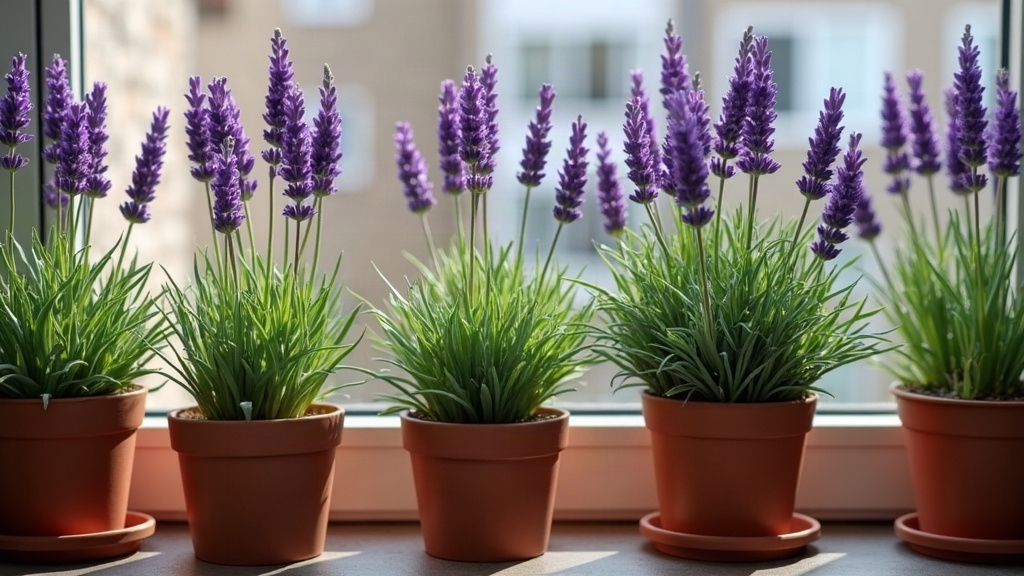
Lavender is a Mediterranean plant at heart. It wants sun, dry soil, and air moving freely around it. Put it in a small pot on an exposed, windy balcony, though, and winter stops being a season and starts being a test of endurance. Roots in containers freeze much faster than roots tucked into the ground, and constant wind pulls moisture and warmth out of both soil and leaves. The good news? Get the pot, the placement, and a bit of pruning right, and your lavender can sail through even a brutal, wind-battered balcony winter.
Why Potted Lavender Struggles in Winter
Garden soil acts like a blanket, buffering roots from sudden temperature drops. A small pot doesn’t offer that luxury. There’s only a thin wall of soil standing between the roots and freezing air, and on an exposed balcony, wind chill makes things worse still. Three threats do most of the damage:
- Root freeze: Small pots freeze solid much faster than large containers or garden beds. Think of it like the difference between a thermos and a paper cup.
- Wind desiccation: Cold wind yanks moisture out of leaves faster than the roots can resupply it, especially when the soil itself is half-frozen.
- Waterlogged roots: Rain and melting snow sitting in poorly drained soil cause rot, and rot kills lavender far quicker than cold ever does.
Step 1: Choose the Right Pot Before Winter Hits
If you’re potting lavender in fall, size really does matter here. Go for something at least 12 to 14 inches (30-35 cm) wide. That extra volume of soil acts as a thermal buffer that a dinky 8-inch pot just can’t provide. Terracotta looks charming on a balcony, but it’s prone to cracking during freeze-thaw cycles, so skip it for winter use. Frost-resistant glazed ceramic, fiberglass, or sturdy plastic are safer bets.
Make sure the pot has several drainage holes, not just one token hole in the center, and lift it off the balcony floor with pot feet or a couple of bricks. This keeps water from pooling underneath and stops cold concrete from transferring its chill straight into the root ball.
Step 2: Move Pots to the Most Sheltered Spot
On a balcony that catches every gust, microclimate beats general hardiness zone almost every time:
- Push pots up against the wall closest to the building’s heated interior. That wall gives off a little residual warmth and blocks the worst of the wind.
- Cluster your pots together. Plants huddled in a group insulate one another, much like penguins in a storm, and each one ends up less exposed than if it stood alone.
- Stay away from corners. Wind funnels and speeds up there, and these “wind tunnels” are often noticeably colder than open space just a few feet away.
- Where you can, tuck pots near (not directly under) a roof overhang. It cuts down on direct snow and freezing rain without blocking airflow completely.
Step 3: Insulate the Root Zone
Roots take the brunt of winter stress, so give them a coat:
- Wrap the pot sides in bubble wrap or hessian sacking, tied off with twine so it doesn’t slip.
- Pile a mulch layer, straw, bark chips, or dry leaves, about 2 to 3 inches deep over the soil surface.
- During hard cold snaps below 20°F (-6°C), add an outer layer of old burlap or frost fleece for extra protection.
One thing to avoid: plastic sheeting touching the foliage directly. It traps moisture against the leaves and practically invites fungal rot in.
Step 4: Cut Back on Water, Not Completely
Lavender goes semi-dormant once the cold sets in, and its water needs drop sharply. Overwatering is, hands down, the number one killer of potted lavender in winter. Only water once the top 2 inches of soil are fully dry, and always double-check the pot is draining properly. Never let it sit in a saucer full of water, that’s basically an invitation for root rot.
Step 5: Prune Lightly in Early Fall, Not Winter
A light shaping prune in early autumn does wonders: snip off spent flower stems and trim back roughly a third of the top growth. Less foliage means less surface area for wind to batter. Whatever you do, don’t hard-prune into the old woody stems during winter. That’s a spring job, once new growth starts pushing through.
Step 6: Watch for Warning Signs
Check in on your plants every couple of weeks, not just once a month:
- Gray, brittle, or blackened leaves usually point to frost damage or dehydration. Trim the affected tips once the cold snap has passed, no need to panic and chop everything.
- Mushy stems near the base are a red flag for root rot. Improve drainage right away and ease off on watering.
- No new growth by mid-spring isn’t necessarily a death sentence. Lavender can look pretty rough, almost giving up, and still resprout from the woody base once things warm up.
Quick Winter Checklist
- Pot size: 12+ inches, raised off the ground
- Location: sheltered wall, grouped with other pots, away from wind tunnels
- Insulation: mulch on top, wrap the sides during cold snaps
- Water: minimal, only when the soil is bone dry
- Prune: light shaping in fall only
Final Thoughts
Overwintering lavender in small pots on a windy, exposed balcony is absolutely achievable. Focus on three things: insulating the roots, keeping moisture in check, and finding the best sheltered microclimate your space has to offer. Even tough, cold-hardy varieties like English lavender (‘Munstead’ or ‘Hidcote’) benefit from this extra attention when they’re confined to containers. Come spring, a light trim and a fresh top-dress of compost will have your lavender bouncing back, ready for another fragrant, sun-soaked season.