Vietnamese Coriander in Self-Watering Pots for Hot Balconies
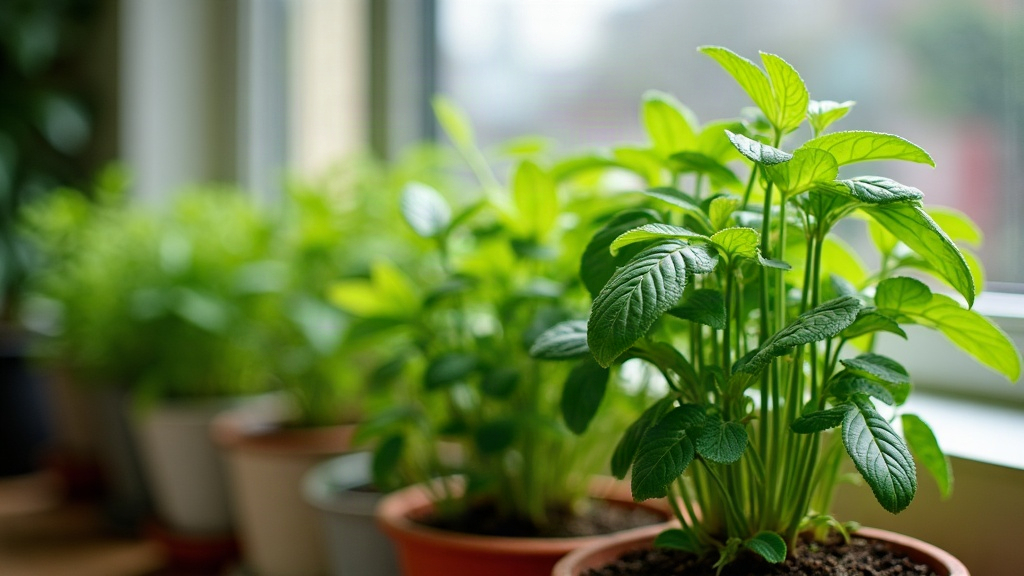
Vietnamese coriander (Persicaria odorata), known as rau răm, is one of the best herbs for a hot, humid balcony because it actually wants the conditions most other herbs hate: warmth, heavy moisture, and a break from that brutal afternoon sun. Pair it with a self-watering pot and you’ve solved the single biggest headache of balcony herb growing, keeping the root zone consistently damp through a string of 90°F days without running out there twice a day with a watering can.
Why Vietnamese Coriander Loves Hot, Humid Conditions
True cilantro (Coriandrum sativum) bolts and turns bitter the second temperatures push past 75°F. Rau răm does the opposite. It’s a tropical perennial from Southeast Asian wetlands, so it actually thrives in:
- Temperatures between 77°F and 95°F (25–35°C)
- High humidity, which keeps leaves from curling and going crisp
- Soil that stays consistently moist, almost boggy, it sulks fast once it dries out between waterings
That’s what makes it such a good cilantro substitute once summer really sets in and regular coriander has no chance of surviving an exposed balcony.
Why a Self-Watering Pot Is a Perfect Match
Self-watering (sub-irrigation) pots keep a water reservoir below the soil, which wicks moisture upward through a fabric strip or capillary tube so the root zone stays evenly hydrated. For rau răm, that translates into:
- No dry-out stress. Skip a day of top-watering during a heatwave and the roots still have the reservoir to draw from.
- Fewer refills. A 10-14 inch reservoir pot usually only needs topping off every 3-5 days in summer heat, versus daily watering in a standard pot.
- Softer, juicier stems. Steady moisture is exactly what produces the tender stems this herb is prized for in Vietnamese salads and soups, instead of the stringy, fibrous ones you get from stressed plants.
Setting Up Your Self-Watering Pot
Pot Size and Material
Go with a pot at least 10 inches wide and 8 inches deep. Width matters more than depth here, since Vietnamese coriander spreads through trailing stems that root themselves at the nodes as they sprawl. On a sun-blasted balcony, a light-colored plastic or glazed ceramic self-watering pot will stay noticeably cooler than dark terracotta.
Soil Mix
You want something that holds moisture without turning into a swamp:
- 60% quality potting soil
- 20% compost or worm castings
- 20% coconut coir (helps retain water without compacting)
Skip the sandy or perlite-heavy mixes. They drain too quickly and basically cancel out what the reservoir is trying to do.
Planting
Skip seed, it rarely sets viable seed outside the tropics anyway, and start from stem cuttings instead: 4-6 inches long, lower leaves stripped off. Rooted in water or moist soil, you’ll see roots within 7-10 days. Plant 3-4 cuttings per pot if you want a full, bushy harvest rather than a few scraggly stems.
Light and Placement on the Balcony
Here’s the twist: even though it loves heat, rau răm’s leaves can still scorch under direct, unfiltered midday sun, especially if your balcony surface reflects extra light and heat back up at the plant.
- Best spot: 4-6 hours of morning sun with afternoon shade, or dappled light all day
- Too much sun: leaf edges yellow and curl
- Too little sun: stems stretch out leggy and the flavor goes bland
Throwing a sheer shade cloth (30-40% shade rating) over a south- or west-facing balcony can be the difference between a plant that’s struggling and one that’s genuinely thriving.
Watering, Feeding, and Reservoir Maintenance
- Refill the reservoir every 3-5 days at peak summer; check weekly once things cool off a bit
- Flush the reservoir once a month so salts and minerals from fertilizer don’t build up
- Feed with a diluted balanced liquid fertilizer (half-strength) every 2 weeks while it’s actively growing
- Every so often, water from the top too, just to flush accumulated salts down through the topsoil
Harvesting for Continuous Growth
Pinch stem tips just above a leaf node when harvesting. That’s what pushes the plant to branch out and get bushy instead of sending up one long, leggy runner. Harvest every 1-2 weeks and the plants stay compact and productive right through summer. Toss fresh leaves into Vietnamese salads (gỏi), noodle soups, or use them as a peppery garnish, the flavor sits somewhere between cilantro, mint, and black pepper, and it’s genuinely distinctive.
Common Problems and Fixes
- Leggy, sparse growth: give it a bit more light, or pinch back harder and more often
- Yellowing lower leaves: usually comes from top-watering on top of an already full reservoir, let the reservoir do its job and ease off the watering can
- Slow growth in winter: totally normal; this plant is frost-tender and basically shuts down below 50°F, so bring the pot indoors near a bright window once temperatures start dropping
Final Thoughts
A self-watering pot takes care of the single biggest obstacle to growing Vietnamese coriander on a hot summer balcony: that constant risk of the soil drying out when you’re not looking. Get the pot size right, mix a moisture-rich soil, give it filtered morning light, and keep harvesting regularly, and rau răm will keep producing vigorous, fragrant growth all season, even on the days when the thermometer just refuses to dip below 90°F.