Growing Alpine Strawberries in Railing Planters Through Humid Spring
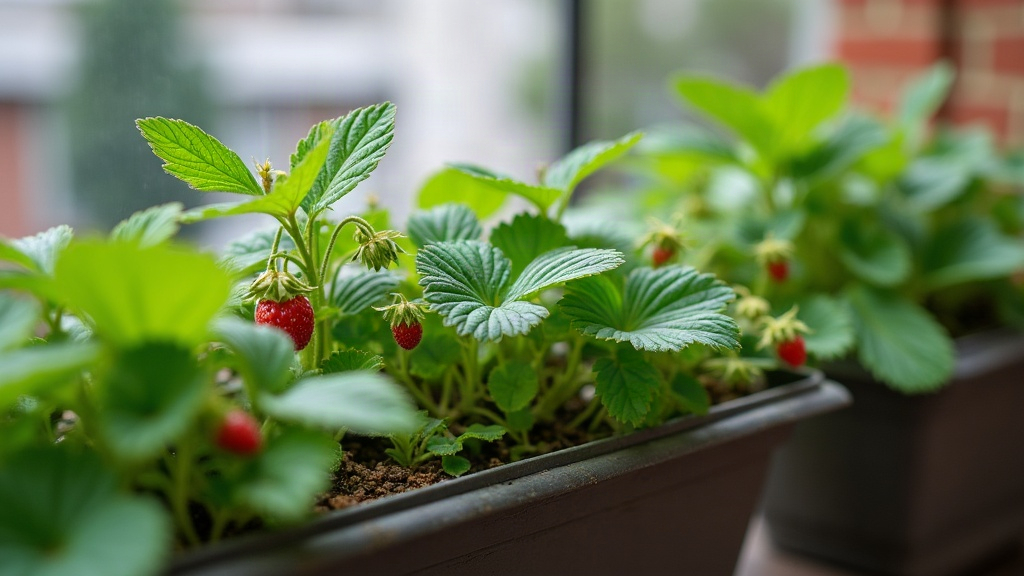
Growing Alpine Strawberries in Railing Planters Through a Humid Spring
Growing alpine strawberries in railing planters is one of those small joys of balcony gardening: tiny, intensely sweet fruit that just keeps coming. But a humid spring can turn this easy-going crop into a fight against mold, mildew, and soggy roots almost overnight. Get the planter setup, watering rhythm, and airflow right, though, and you’ll still pull a steady trickle of berries even when the air sits thick and damp for weeks.
Why Alpine Strawberries Suit Railing Planters
Unlike sprawling June-bearing types that throw runners everywhere, alpine strawberries (Fragaria vesca) grow in tidy little mounds and stay put. That makes them a natural fit for narrow railing planters, where every inch of space and every drainage hole counts. They’re also more shade-tolerant than standard strawberries, which comes in handy when cloudy spring stretches leave your railing with only a couple hours of direct sun.
The Humidity Problem
High humidity slows evaporation from both soil and leaves, and that’s exactly the kind of environment fungi love:
- Gray mold (Botrytis) on flowers and fruit
- Powdery mildew coating leaf surfaces
- Root rot from a potting mix that just won’t drain fast enough
Here’s the thing people often miss: a humid spring doesn’t necessarily mean more rain. Often it just means still, warm air loaded with moisture, the kind that keeps foliage wet for hours after you’ve watered. That lingering dampness, not the rain itself, is what causes trouble.
Choosing and Setting Up the Right Planter
Drainage First
Look for a railing planter with several drainage holes, not the single-hole type. Before adding soil, layer in about half an inch of coarse perlite or small gravel at the bottom. It keeps water from pooling right where the roots sit.
Potting Mix Matters
Go light and airy:
- 60% quality potting soil
- 20% perlite or pumice
- 20% compost
Skip the dense, moisture-hugging mixes sold for tropical houseplants. In humid weather they’ll stay soggy far longer than you want.
Spacing for Airflow
Give each plant 6 to 8 inches of room, even if that means fewer plants fit in your trough. Crowd them together and you trap humid air right between the leaves, which is basically an open invitation for mildew.
Watering Strategy for Humid Weeks
- Water at the base of the plant with a narrow-spout can, never overhead.
- Water in the morning, giving the foliage the whole day to dry before evening humidity creeps back up.
- Do a finger test 2 inches into the soil before watering. Alpine strawberries want evenly moist soil, never a swamp.
- Skip watering altogether the morning after heavy dew or overnight rain. The air’s already kept the mix damp longer than usual, so adding more just invites rot.
Boosting Airflow Around Railing Planters
Railing planters often sit tucked against a wall or a dense rail, and that’s a recipe for stagnant air:
- If your brackets allow it, angle the planter slightly outward to catch more breeze.
- Trim back any overhanging foliage from neighboring plants that’s blocking airflow.
- On those dead-still, muggy mornings, run a small clip-on fan for an hour. It’s a small trick, but it noticeably dries the leaf surfaces and cuts down fungal risk.
Preventing Fungal Problems Naturally
- Pull off yellowing or spotted leaves right away. Don’t let dead foliage sit and rot in the planter.
- During stretches of humid weather, apply a light dusting of neem oil, or a diluted baking soda spray (1 teaspoon per quart of water), once a week. Think of it as prevention, not a cure once mold’s already set in.
- Pick ripe berries as soon as they’re ready. Leave overripe fruit hanging and you’re basically hanging out a welcome sign for gray mold.
Feeding and Flowering in Damp Conditions
These are light feeders by nature. A diluted balanced liquid fertilizer every 3 to 4 weeks is plenty. Steer clear of high-nitrogen feeds during humid spells, they push out soft, lush leaf growth that fungi find easy to attack.
What to Expect from Harvest
Alpine strawberries don’t do one big harvest like their June-bearing cousins. Instead they fruit in waves from late spring right through fall. In a well-tended railing planter, once flowering kicks in you can expect a small handful of berries every few days, just enough for snacking straight off the vine rather than filling jars for preserves.
Final Thoughts
A humid spring doesn’t have to wreck your alpine strawberry planter. Sharp drainage, base-watering timed to dry mornings, generous spacing, and a bit of extra attention to airflow go a long way. These are tough little plants at heart. Treat the humidity as something to manage, not something to fear, and your railing planter can end up being one of the most productive corners of your whole balcony garden.