Transitioning Potted Mint Indoors Without Bringing Aphids Inside
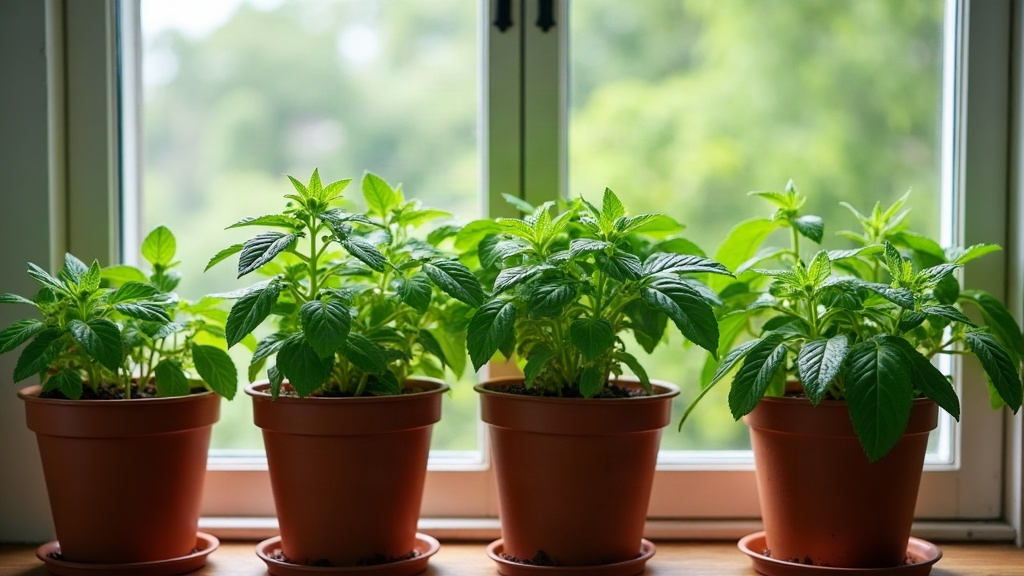
Moving potted mint indoors before the first frost is a smart way to keep fresh leaves within arm’s reach all winter. But here’s the catch: mint is practically an aphid magnet. Skip the inspection and cleanup routine, and you’re not just bringing in a plant, you’re rolling out the welcome mat for pests to take over your living room. The fix isn’t complicated, though. Inspect, treat, quarantine, monitor. Four steps, done in order, and your mint stays healthy while your home stays bug-free.
Why Mint Attracts Aphids So Easily
Aphids go crazy for mint’s soft, nitrogen-rich new growth, it’s basically a buffet for them. Outside, ladybugs, lacewings, and parasitic wasps do the dirty work of keeping populations down. Bring the plant indoors, though, and those predators vanish. Add in warm, dry household air, which speeds up aphid reproduction, and you’ve got a problem waiting to happen. A handful of aphids tucked under a leaf in October can balloon into a full-blown infestation by December, spreading to every houseplant in the room along the way.
Step 1: Inspect Before You Even Touch the Pot
Give yourself five minutes before moving anything indoors. Here’s what to check:
- Flip the leaves over. Aphids love hiding on the undersides, often clustered in green, black, or white colonies.
- Check new growth tips and stem joints. This is where they set up shop first.
- Look for sticky residue (honeydew) or sooty black mold on the leaves. Both are dead giveaways of aphid activity, even if you can’t spot a single bug.
- Peek at the soil surface and drainage holes for ants. They’ll often “farm” aphids just to harvest the honeydew.
Found a colony, even a small one? Don’t bring the plant inside yet. Treat it first, then move it.
Step 2: Treat the Plant Outdoors First
Rule number one: pest treatment happens outside. Never after the plant has already crossed your threshold.
- Hose it down. A strong, direct blast of water knocks most aphids right off and onto the ground.
- Apply insecticidal soap or neem oil. Coat the leaves thoroughly, including the undersides and stem joints. Repeat in 5-7 days to catch the ones that hatch after the first round.
- Prune the worst-hit stems. Mint bounces back fast from the base, so don’t be shy about cutting away anything coated in aphids or sooty mold.
- Wipe down the pot and saucer with a damp cloth or diluted soap. Eggs and other pests love hiding in rim cracks and crevices you’d never think to check.
Step 3: Refresh the Soil Surface
Aphids rarely travel alone. Fungus gnats often hitch a ride too, so before the move:
- Scrape off the top inch of soil and swap it for fresh, sterile potting mix.
- If the pot’s been sitting outdoors all season, just repot into a clean container entirely.
- Let the soil dry out a bit more than you normally would. Damp soil is basically an invitation for gnats.
Step 4: Quarantine for Two Weeks
Even after treatment, don’t let your mint mingle. Keep it isolated in a separate room, away from any windowsill shared with other plants, for 10-14 days. This window gives you a chance to catch stragglers, whatever survived the spray or hatched from leftover eggs, before they get anywhere near the rest of your collection.
During quarantine:
- Check the plant every 2-3 days, no skipping.
- Wipe leaves with a damp cloth to physically remove any remaining pests.
- See activity? Reapply the insecticidal soap right away.
Step 5: Set Up for Success Indoors
Once your mint clears quarantine, find it a bright home, a south- or west-facing window is ideal, with decent air circulation. Stale, overly warm air is a breeding ground for both aphids and fungal problems. Running a small fan nearby for an hour a day makes a real difference.
Ongoing Prevention Tips
- Keep inspecting weekly, even once the plant looks totally clear. Aphid eggs can sit dormant for a while before hatching.
- Go easy on fertilizer. Too much nitrogen means more of that soft, lush growth aphids can’t resist.
- Quarantine every new indoor plant for the same two weeks, not just the mint.
- Try natural predators sparingly, if you must. Some gardeners release ladybugs indoors, but honestly this works far better in an enclosed grow tent than in an open living room where they’ll just fly off toward the nearest window.
Conclusion
Bringing potted mint indoors shouldn’t mean trading fresh herbs for an aphid circus in your living room. Inspect thoroughly, treat outside, refresh the soil, quarantine before it joins your other plants, and you end up with exactly what you wanted: fresh mint all winter, and a home that stays pest-free.