Protect Balcony Herbs from Pigeon Damage Without Bird Netting
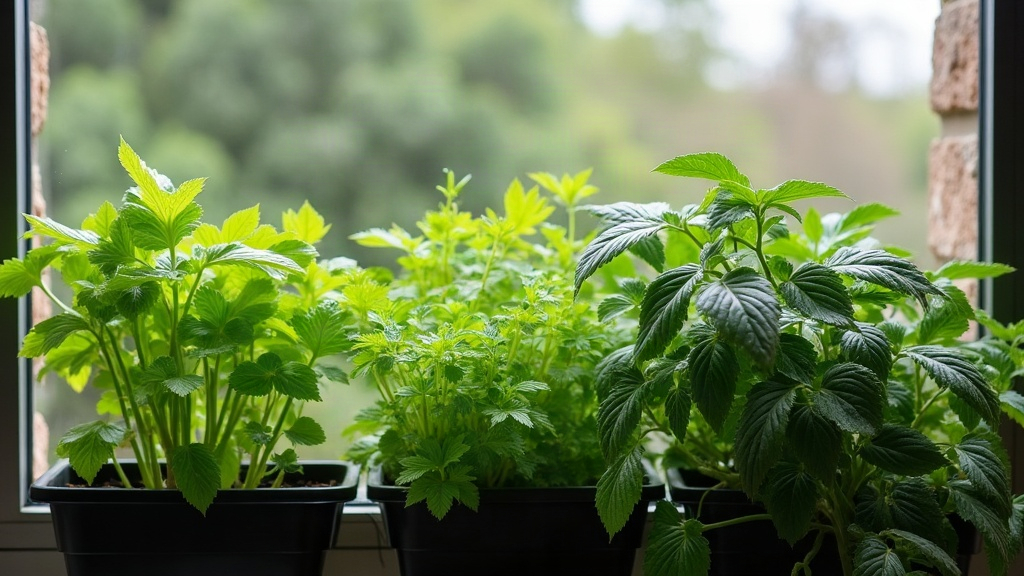
Why Pigeons Target Herb Planters Specifically
Pigeons usually aren’t after your herbs as a snack. Rosemary, thyme, mint… none of that is particularly tasty to a bird. The actual problems are behavioral, and once you spot which one is happening on your balcony, the fix gets a lot easier.
- Dust bathing and nesting behavior: Loose potting soil reads like a five-star dust bath to a pigeon. They’ll scratch around in it, flattening whatever seedling happens to be underfoot.
- Perching habits: Railings, trellises, tall stakes near your herbs turn into pigeon lounges. And droppings from a perch above land right in the planter below. Not great for a basil harvest.
- Curiosity pecking: New seedlings, soft basil leaves, anything fluttering in the breeze, gets pecked at and inspected out of pure curiosity.
Figure out which of these is driving the damage on your balcony before you buy anything. Guessing wastes money and time.
Netting-Free Deterrents That Actually Work
1. Change the Surface Texture
Pigeons hate unstable or uncomfortable footing, full stop. A few options:
- Plastic garden spikes or bird spike strips placed along railings and ledges near the planters (skip putting these directly on the plants).
- A layer of coarse mulch, decorative stones, or pinecones over the soil surface. This alone kills the dust-bath appeal instantly, no more loose dirt to flatten.
- Aluminum foil strips or old CDs hung just above the pots. The flicker and movement unnerve pigeons without hurting a feather.
2. Use Visual Deterrents Strategically
Pigeons are naturally wary of predators and anything that looks “off”:
- A fake owl or hawk decoy, but move it every few days. Pigeons are smarter than people give them credit for, and a static decoy becomes furniture within a week.
- Holographic tape or scare-eye balloons tied near the herb rail. The flickering light patterns are genuinely unsettling to them.
- Wind spinners or small flags stuck right into the pots. Constant motion near the plant discourages landing nearby.
3. Rearrange Plant Placement
Sometimes the fix is just moving things around, no gadgets needed:
- Pull vulnerable seedlings away from railings and corners, the spots pigeons naturally gravitate to.
- Group pots tighter together and closer to the wall to shrink the open landing space.
- Switch to raised planters with sloped or curved rims. A rounded edge gives a pigeon nothing solid to grip, unlike a flat rail top.
4. Try Scent-Based Repellents
Pigeons dislike sharp smells that most herbs shrug off:
- A light mist of diluted white vinegar sprayed around the plants (not directly onto the leaves).
- Cayenne pepper or chili powder dusted across the soil surface, harmless to the plants, irritating enough to a pigeon’s senses.
- Strong-scented companion plants like lavender or citronella geranium ringed around your herb pots.
One catch: reapply any scent deterrent after rain. It washes off fast, often within a single downpour.
What to Avoid
- Reflective tape overload. A little goes a long way. Too much and your balcony starts looking like a scrapyard, plus pigeons eventually get used to it anyway.
- Sticky anti-bird gels on containers. These can trap feathers and are outright banned or frowned upon in many places for being inhumane.
- Leaving seed trays uncovered. Bare soil is basically a welcome mat. Cover freshly planted trays with a mesh dome or even an upside-down berry basket until the seedlings are established enough to fend for themselves.
A Simple Weekly Routine
- Rotate or reposition one visual deterrent every 3-4 days.
- After watering, check that mulch or stones still cover the soil properly.
- Top up scent deterrents if it’s rained recently.
- Walk the railings and look for new roosting spots. Add a spike strip if you spot one forming.
Conclusion
Netting isn’t the only answer, and honestly it’s often not even the best one. What actually keeps pigeons off a herb balcony is removing the things that draw them in: loose soil, comfy perches, and a scene that never changes. Stack a few cheap, humane tricks together (texture, movement, scent, smarter plant placement) and you’ll usually get better long-term results than a single barrier ever gives you, all while your balcony still looks like a garden and not a bird-proof bunker.