Growing Alpine Currants in Containers for Balcony Privacy
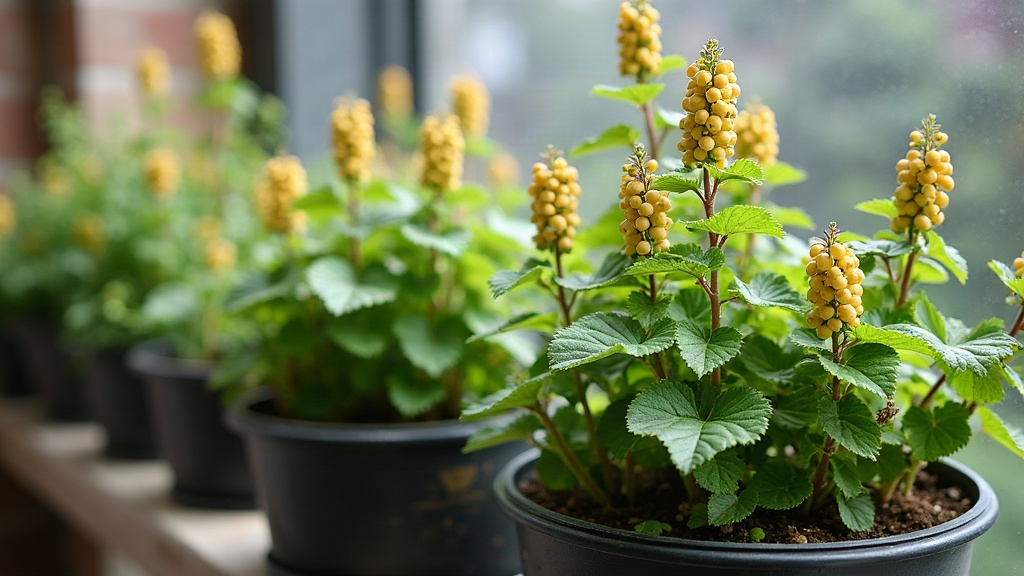
Growing Alpine currants (Ribes alpinum) in pots gets you a thick, tidy privacy screen for the balcony that also hands you a handful of berries each summer. That combo, screening plus food, is rare. Most shrubs that scream “privacy hedge” want nothing to do with fruit, and most fruiting shrubs sulk the moment you stick them in a container. Alpine currants don’t seem to have gotten that memo. Compact, shade-tolerant, low-maintenance: they do fine in spots where other screening plants just give up.
Why Alpine Currants Work So Well on Balconies
Most fruiting shrubs want full sun and deep, uninterrupted soil. Alpine currants grew up differently, as understory plants, tucked under taller trees in the wild. That background turns out to be exactly what makes them forgiving on a balcony, where you’re often dealing with partial shade, gusty wind, and a few square feet of root space at best.
Here’s what makes them such a solid pick for container screening:
- Compact, dense habit - forms a tight, twiggy shrub around 3 to 5 feet tall. Big enough to block a view, small enough not to swallow your balcony.
- Shade tolerance - one of the few fruiting shrubs that shrugs off partial to even fairly heavy shade. Try that with raspberries or blueberries and you’ll get nothing.
- Slow-to-moderate growth - a lot easier to keep in bounds inside a pot than something like forsythia, which will happily take over.
- Attractive foliage - bright green, maple-shaped leaves that go yellow in autumn, so the screen actually changes with the seasons instead of just sitting there.
- Edible, tart berries - small red currants, good for jam, syrup, baking. Nobody’s eating them plain off the bush, but they’re far from useless.
Choosing the Right Container and Variety
Container Size
Don’t go small here. A 15 to 20 gallon container (about 18 to 24 inches across) gives the roots room to actually support dense growth up top. Skimp on pot size and you’ll end up with a stunted plant that can’t do its one job: screening.
Variety Selection
- ‘Schmidt’ (dwarf form) - compact and rounded, a good fit if space is really tight.
- ‘Aureum’ - golden-leaved, so you get color on top of privacy.
- Straight species Ribes alpinum - the toughest and most vigorous option if height matters more than anything else.
One thing worth knowing: Alpine currant is dioecious, meaning individual plants are either male or female. Nurseries mostly stock female plants because that’s where the berries come from. If fruit actually matters to you, ask before you buy, don’t assume.
Planting and Soil Setup
- Use a well-draining, loam-based potting mix, amended with compost so there’s something for the roots to feed on.
- Add drainage material at the bottom (broken pottery, chunks of gravel, whatever you’ve got).
- Space multiple pots 18 to 24 inches apart along the rail or edge so the shrubs grow into one continuous screen rather than leaving gaps.
- Mulch the top with bark or straw. Containers dry out faster than garden beds, sometimes within a day in summer heat, so this isn’t optional.
Light, Water, and Feeding Needs
- Light: Handles partial shade without complaint. For the best berry crop, aim for 4 to 6 hours of filtered or morning sun.
- Water: Keep it evenly moist, never swampy. Pots dry out faster than ground soil, period, so expect to water more often than you think, especially on a hot, exposed balcony in July.
- Fertilizing: A balanced slow-release fertilizer in early spring does most of the work. A light feed after fruiting helps set up next year’s growth.
Pruning for a Dense Privacy Screen
This is where Alpine currants earn their reputation as a classic hedge plant. They take pruning well.
- Prune in late winter, before new growth kicks in.
- Cut back roughly a third of the older stems each year to push bushy regrowth from the base.
- Give the top and sides a light trim through the growing season to keep the screen looking uniform.
- If berries matter to you, go easy on heavy pruning right before fruiting. Save the bigger cuts for wood that isn’t going to fruit anyway.
Harvesting and Using the Berries
Berries ripen mid-to-late summer, turning a dull, muted red (not the glossy red you might picture). Fresh off the bush they’re tart and seedy, honestly not great eating raw, which is why most people turn them into:
- Jams and jellies
- Fruit syrups, good in cocktails or homemade soda
- Muffins or quick breads, with extra sugar to balance the tartness
If taste is the real priority and the screen is secondary, plant a sweeter variety like ‘Red Lake’ currant alongside your Alpine currants for better fresh fruit, and let the Alpine currant handle the structural, year-round screening job.
Overwintering in Containers
Roots in a pot are a lot more exposed to cold than roots in the ground, no insulation from surrounding soil. A few ways to protect them:
- Push the pots together against a wall for shared warmth.
- Wrap containers in burlap or bubble wrap when winters get harsh.
- Pile mulch on top of the soil, more than you’d use for an in-ground plant.
Alpine currants are hardy down to USDA zone 2, so in nearly any climate, a container plant will make it through winter with just this basic level of protection.
Conclusion
A balcony privacy screen that also feeds you jam each summer isn’t something you stumble into often. Alpine currants pull it off: shade-tolerant, manageable in a pot, and genuinely good-looking through the seasons. Get the pot size right, stay on top of watering, prune once a year, and you end up with a dense, leafy screen that gives you both seclusion and a small berry harvest, out of a space that’s barely bigger than a parking spot.