How to Grow Alpine Strawberries on a North-Facing Balcony
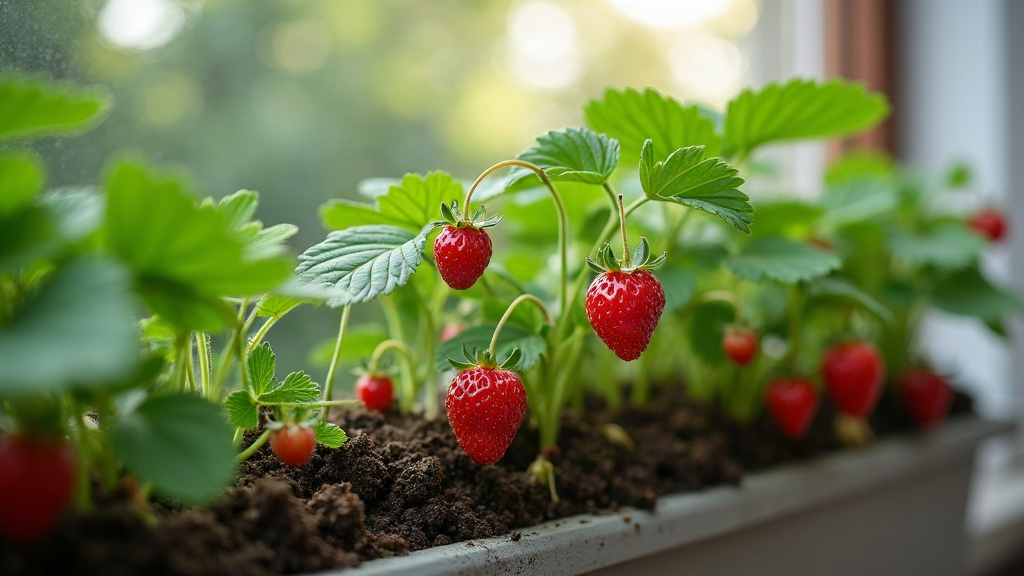
Growing alpine strawberries on a north-facing apartment balcony is doable, but let’s be honest about what you’re working with. These plants will produce best with bright indirect light or a few hours of gentle morning or evening sun, not the harsh all-day blaze a south wall gets. The good news? Alpine strawberries are compact, intensely flavorful, and far more tolerant of partial shade than the big-fruited garden varieties you’d find in a nursery flat. That makes them a smart pick for tight urban spaces where sunlight is a negotiation, not a given.
Unlike the watery berries from the supermarket, alpine strawberries deliver small, fragrant fruit over a long stretch of the season, sometimes months. Most are red, though white and yellow types exist too (the white ones taste almost like pineapple, oddly enough). They rarely throw out runners, so they stay tidy in pots instead of sprawling across your balcony rail.
Are Alpine Strawberries Suitable for a North-Facing Balcony?
A north-facing balcony is typically the darkest outdoor spot an apartment has to offer. Depending on your building’s layout, you might get zero direct sun, especially if neighboring structures, railings, or a stray tree block the sky above you.
Alpine strawberries can survive here, but how much fruit you get comes down to light. For the best shot at a real harvest, aim for:
- Bright open sky exposure for as much of the day as possible
- Two to four hours of gentle direct sun, if your balcony gets any at all
- A spot near the outer edge of the balcony rather than tucked against a dark wall
- Light-colored pots or reflective surfaces to bounce a bit more brightness into the growing area
If your balcony sits in deep shade from morning to night, don’t be surprised if the plants grow lush green leaves but skimp on flowers and berries. In that case, a small full-spectrum grow light running a few hours a day can make a real difference.
Choose the Right Alpine Strawberry Variety
Look for plants labeled Fragaria vesca, often called woodland strawberries. These evolved at forest edges under dappled light, which is basically the plant world’s version of your balcony conditions.
A few solid choices for containers:
- Alexandria: A popular red alpine strawberry with sweet, aromatic berries.
- Mignonette: Compact and reliably productive, good for smaller pots.
- Rügen: Runnerless, with elongated red fruit and steady output.
- White Soul: Creamy white berries with a surprising pineapple-like flavor.
- Yellow Wonder: Pale fruit that birds tend to overlook, a small bonus if you’re competing with local wildlife.
Buying young plants gets you to a harvest much faster than starting from seed. Seeds are cheap, sure, but alpine strawberry seeds can take several weeks to germinate and often need cold stratification first, which adds a whole extra step most balcony gardeners would rather skip.
Pick a Container That Supports Healthy Roots
Alpine strawberry roots stay shallow, but the plants still need steady moisture and enough room to spread a bit. Cram them into an undersized pot and it’ll dry out fast, which cuts down on flowering and leaves you with berries that taste bland instead of sweet.
Aim for a container that’s at least:
- 8 inches deep
- 8 to 12 inches wide for one plant
- 16 to 20 inches wide for three plants
Window boxes, trough planters, fabric pots, hanging baskets, all of these can work. Just make sure drainage holes are non-negotiable. Standing water leads to root rot, and on a cool, shaded balcony where soil dries slowly anyway, that risk climbs fast.
For a nice-looking arrangement, ring the edges of a larger container with alpine strawberries and put herbs like parsley or chives in the middle. Don’t crowd them though: give each strawberry plant roughly 6 to 8 inches of breathing room.
Use a Light, Fertile Potting Mix
Skip garden soil. It’s too dense for pots and often brings along pests or weed seeds you really don’t want on your balcony. Go with a quality peat-free or standard container mix instead.
A simple recipe that works well:
- 70% quality all-purpose potting mix
- 20% compost or well-rotted manure
- 10% perlite, pumice, or fine bark for drainage
You want soil that holds moisture without turning into a swamp. Alpine strawberries like slightly acidic to neutral conditions, around pH 5.5 to 6.5, though honestly most commercial potting mixes fall close enough to that range without extra fuss.
Mix in a slow-release organic fertilizer at planting time, following the label rate. Go easy on nitrogen especially, too much and you’ll get gorgeous leaves and hardly any flowers or fruit.
Position Plants for Maximum Available Light
On a sunny garden plot, placement is a minor detail. On a north-facing balcony, it’s everything. Spend a day or two just watching how light moves across your space before committing to a permanent spot.
Where to put your pots:
- Near the railing or edge, wherever they can see the widest stretch of open sky.
- Away from air-conditioning exhausts, which dry out leaves and stress the plants.
- Off the floor when you can manage it, a plant stand or shelf adds real light exposure.
- Sheltered from strong wind, which can shred delicate flowers.
Give the container a quarter turn once a week so every side gets a fair share of light. If you notice the plants leaning hard toward one direction, that’s your cue to rotate more often to keep growth even and compact.
Water Carefully in Shade
Shaded balconies breed one very specific mistake, and gardeners fall into it from both directions. Some assume strawberries are drought-tolerant and let pots go bone dry. Others water on autopilot, same time every day, and end up drowning the roots.
Skip the calendar. Just check the soil. Push a finger about an inch into the mix before deciding.
- Water when the top inch feels dry.
- Water slowly until it runs out the drainage holes.
- Empty saucers after 15 to 20 minutes, don’t let pots sit in a puddle.
- Water more often during hot, windy stretches.
Morning is your best window. Dry foliage overnight cuts down on fungal issues like gray mold, which shaded, still-air balconies are especially prone to.
Feed for Flowers and Fruit, Not Just Leaves
Alpine strawberries don’t demand much, but potted plants eventually burn through whatever nutrients are in the soil. Once flowering starts, feed every two to four weeks with a diluted liquid fertilizer, ideally balanced or a touch higher in potassium.
A tomato fertilizer diluted to half strength does the job nicely during fruiting season. Ease off completely by late autumn once growth slows down.
Watch for these overfeeding red flags:
- Big, dark-green leaves but barely any flowers
- A white crust forming on the soil surface
- Brown leaf tips even though you’re watering regularly
Spot any of these? Flush the pot thoroughly with clean water and back off on the fertilizer for a while.
Encourage Pollination on an Apartment Balcony
Alpine strawberry flowers are mostly self-fertile, but fuller, better-formed berries come from proper pollination. And pollinators can be genuinely scarce several floors up, or on an enclosed balcony where bees rarely bother to visit.
You can step in as the bee. Gently brush the center of each open flower with a soft paintbrush every few days, moving from bloom to bloom to spread pollen around. A light shake of the plant helps too, though a brush is gentler on delicate petals.
One more thing: keep insecticides, even organic ones, away from flowering plants. They can chase off the beneficial insects you actually want sticking around.
Harvest and Maintain Your Plants
Pick berries once they’re fully colored and smell strongly fragrant, that’s usually your best indicator. Eat them soon after picking; alpine strawberries are tiny and don’t hold up in the fridge the way commercial strawberries do.
During peak season, check the plants every two or three days. Frequent picking actually pushes the plant to produce more flowers.
Trim away:
- Yellow or spotted leaves
- Overripe berries left too long on the vine
- Dead flower stems
- Any leaves resting against soil that stays wet
If you’re in a cold climate, wrap containers in bubble wrap or fleece, or slip them inside a larger outer pot, once winter sets in. Alpine strawberries themselves are hardy, but roots confined to a container freeze more easily than roots buried in open ground.
Conclusion
A north-facing balcony isn’t a dealbreaker. Maximize whatever bright light you can find, choose well-drained containers, and don’t drown the roots, and you can still pull a genuinely satisfying alpine strawberry crop from a small space. Start with runnerless Fragaria vesca varieties, keep feeding light and consistent, and grab a paintbrush for hand-pollination when needed. Even a handful of compact pots, tucked into the brightest corner you’ve got, can keep you in fragrant berries for most of the growing season.