Growing Bush Snap Beans in a Narrow Balcony Planter Near an AC Unit
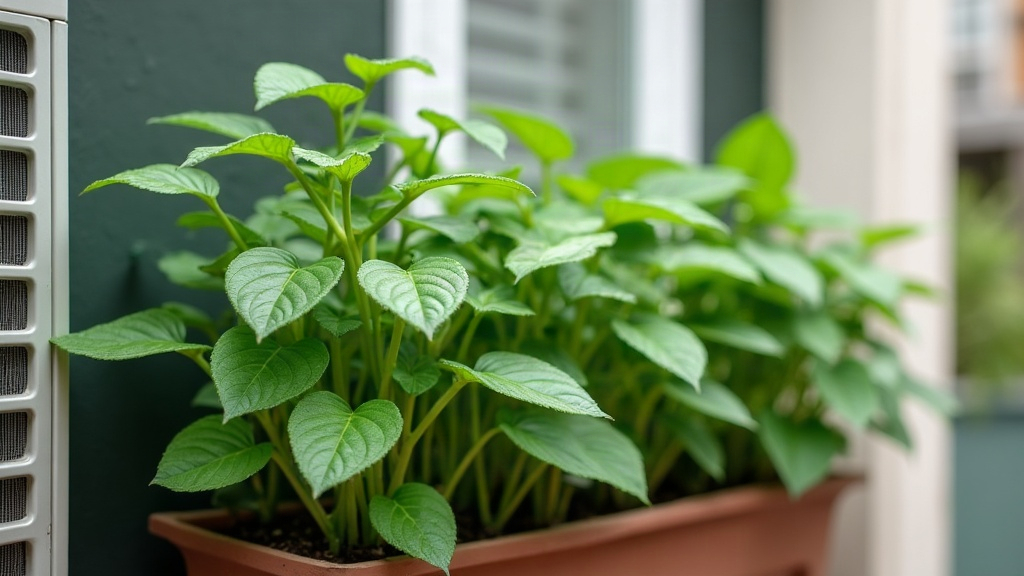
Why This Spot Is Tricky
Air-conditioner units create a strange little microclimate all their own, and if you’ve ever brushed past a condenser on a hot afternoon, you already know why.
- Heat exhaust: Outdoor condenser units blow hot air, sometimes raising nearby temperatures by 5-10°F (3-6°C). That’s enough to stress out a lot of vegetables.
- Condensate drip: Some units drip water on and off, which can end up overwatering one side of a planter while the other side stays bone dry.
- Restricted space: Narrow balconies often only give you a planter 6-8 inches (15-20 cm) wide. Not much room to work with.
- Vibration and noise: This won’t hurt plants directly, but it can rattle loose a shallow-rooted seedling if the pot sits right up against the unit.
Here’s the good news, though: bush snap beans (think ‘Provider,’ ‘Contender,’ or ‘Blue Lake Bush’) handle heat well, mature fast (50-55 days), and skip the trellis entirely. That combination makes them a genuinely good fit for a tight, awkward, slightly hostile corner of a balcony.
Choosing the Right Planter
For a narrow strip, skip round pots and go with a rectangular planter box. It squeezes more planting length out of very little width.
- Minimum depth: 8-10 inches (20-25 cm) so roots have room to actually develop.
- Width: Even 6 inches works fine for bush beans, since their roots stay shallow and fibrous rather than digging deep.
- Drainage: Multiple drainage holes aren’t optional here, especially if condensate drip is adding extra moisture to one end.
- Material: Go with UV-resistant plastic or glazed ceramic. Unglazed terracotta dries out too fast when it’s sitting next to a heat source all day.
If you can, keep the planter 12-18 inches (30-45 cm) away from the AC unit’s direct exhaust. Can’t manage that gap? Turn the planter so its narrow end faces the unit instead, which cuts down on exposure.
Managing Heat From the AC Unit
Bush beans actually like warm soil, but pod-setting drops off once temperatures climb past 90°F (32°C), and a condenser can push things that far without much effort.
- Use a light-colored planter so it reflects heat instead of soaking it up.
- Add a windbreak or shade panel between the unit and the plants during the hottest stretch of the day, especially if the exhaust runs often.
- Mulch the soil surface with straw or shredded bark. It smooths out the temperature swings at the root zone.
- Water more frequently in summer. Containers parked near a heat source dry out fast, sometimes needing water every single day.
Handling Condensate Drip
If your unit drips onto part of the planter, don’t ignore it, deal with it directly:
- Shift the planter slightly so the drip lands outside the soil, or set up a small tray or diverter to catch it.
- Can’t avoid the drip entirely? Plant your beans at the far end of the box, away from the wet zone, so roots don’t sit in soggy soil and invite fungal problems.
- Check the drainage holes weekly. Clogged holes plus extra moisture is basically an invitation for root rot.
Planting and Care Steps
- Soil mix: Go with a well-draining potting mix plus some compost. Regular garden soil compacts in containers and suffocates roots.
- Sowing: Direct-sow seeds about 1 inch deep, spacing them 3-4 inches apart, staggered in a double row if the box is wide enough.
- Sunlight: Bush beans want 6+ hours of direct sun. If the AC unit throws shade in the afternoon, morning light becomes non-negotiable.
- Fertilizing: Feed with a balanced, low-nitrogen fertilizer every 3-4 weeks (beans fix their own nitrogen, so heavy nitrogen feeding just wastes effort).
- Harvesting: Pick pods young, around 4-5 inches long, roughly 50-55 days after sowing. The more you pick, the more the plant keeps producing.
Common Problems and Fixes
- Yellowing leaves: Usually waterlogging from the drip zone. Improve drainage or just move the planter over.
- Poor pod set: Almost always heat stress. Throw up some shade cloth during the peak afternoon hours.
- Stunted growth: Check if roots are cramped. Bush beans need at least 8 inches of soil depth to do their thing.
- Pest issues: Aphids and spider mites love the warm, still air near AC units. A firm weekly spray of water on the leaves keeps them in check.
Conclusion
A narrow balcony strip next to an air-conditioner isn’t anyone’s dream planting spot, but get the planter shape, heat management, and drainage right, and bush snap beans will actually do well there. Their compact size, quick turnaround, and general toughness in containers make them one of the smarter vegetable choices for exactly this kind of cramped, slightly overheated urban corner. Pay attention to positioning and keep the water coming during hot spells, and that awkward space beside your AC unit can turn into a surprisingly productive little bean patch.