Growing Micro Dwarf Tomatoes Under a Balcony Roof: Beginner Guide
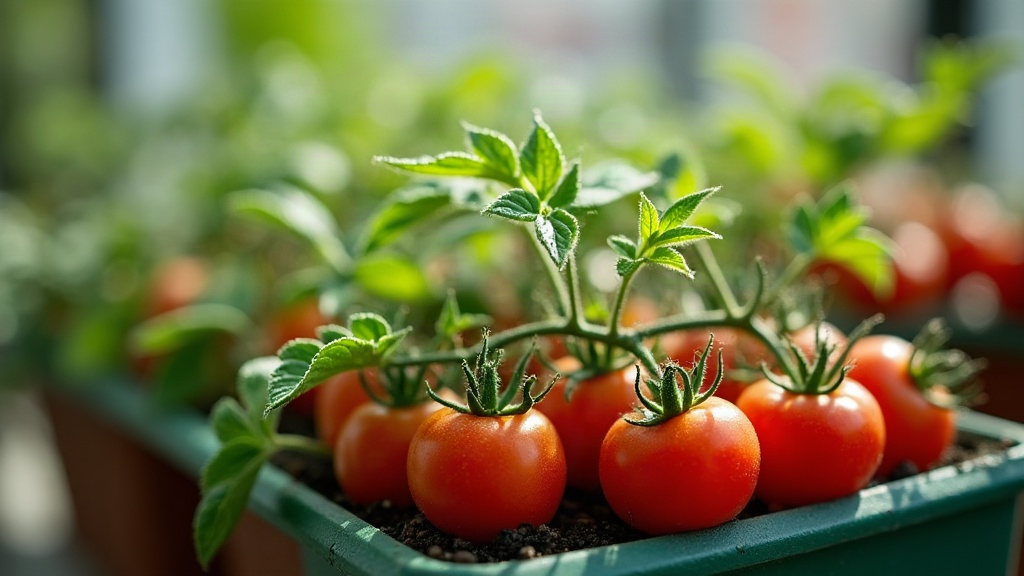
Micro dwarf tomatoes are practically made for a covered balcony. When space is tight and rain never actually reaches your pots, these little plants (often just 8 to 15 inches tall) still manage to thrive. They’re happy in small containers, they handle partial shade far better than their full-size cousins, and you can be eating cherry-sized fruit in as little as 60 to 75 days. Here’s what a beginner actually needs to know, from picking a variety to picking your first ripe tomato.
Why Micro Dwarf Tomatoes Work So Well on Covered Balconies
A roof over your balcony solves the rain problem, but it creates a new one: less sun, less airflow, compared to a plant sitting in open garden soil. Regular tomato varieties hate this. They want 6-8 hours of strong direct sun and a deep root run. Micro dwarfs don’t play by those rules, they were bred specifically for pots and cramped, awkward corners. A few worth knowing:
- Micro Tom – the original micro dwarf, stays under 8 inches
- Tiny Tim – a bit taller, sweet red cherry fruit
- Red Robin – compact but surprisingly productive
- Venus – yellow cherries with decent flavor
- Balcony Yellow Pygmy – bred with patio containers in mind
All of these fruit fast and stay small, which is exactly what you want in a sheltered spot that only gets filtered or partial light.
Choosing the Right Pot and Location
Don’t let “dwarf” fool you into skimping on root space. Go with a container at least 6-10 inches deep and wide, drainage holes non-negotiable. One plant per 1-2 gallon pot is generally plenty.
Placement trips up more beginners than watering does:
- Push pots as close to the open edge of the balcony as you can, that’s where indirect and reflected light collects.
- If the roof blocks anything overhead, hunt for a spot that still catches morning or afternoon light coming in sideways.
- Turn the pots every few days. Otherwise the plant leans hard toward whatever light it can find, and you end up with a lopsided little bush.
Light: The Most Common Challenge
Light, not water, is usually what makes or breaks balcony tomatoes, simply because the roof is standing between your plant and the sun. Micro dwarfs can get by on 4-6 hours of bright indirect light. If your balcony is really shaded, a cheap LED grow light running 12-14 hours a day will make a real difference. Leggy stems, pale leaves, barely any flowers, that’s your plant telling you it’s starved for light.
Watering and Feeding
Pots dry out way faster than garden beds, so check the soil daily once it warms up.
- Water when the top inch feels dry, which in summer often means every day or two.
- Don’t let it sit soggy; root rot shows up fast in containers that don’t drain well.
- Once flowers appear, feed every two weeks with a balanced liquid fertilizer (10-10-10, or a tomato-specific mix works too).
- Blossom end rot (a calcium issue) pops up a lot in container tomatoes. A diluted calcium spray, or just watering on a consistent schedule, keeps it mostly at bay.
Pollination Without Bees
Balconies, especially the covered kind, rarely see a single bee. Tomatoes can self-pollinate, sure, but the pollen still needs a nudge to move where it needs to go.
- Give the flower clusters a gentle shake or flick every day or two.
- A soft brush or even an electric toothbrush buzzing against the stem works just as well as a bee would.
- A small fan running nearby helps too, moving air naturally carries pollen between flowers.
Pruning and Support
Most micro dwarfs barely need pruning, they’re naturally bushy and compact. That said:
- Pull off yellowing lower leaves so air can move through the plant.
- If a taller variety like Tiny Tim starts drooping under the weight of fruit, a 12-inch bamboo stake sorts it out.
- Go easy on the pruning knife. With limited light already, these plants need every leaf they’ve got for energy.
Harvesting Your Tomatoes
Depending on the variety, expect fruit in 55-75 days. Pick once the tomato hits full color (deep red, yellow, or orange, depending on the type) and gives just slightly when you squeeze it. Keep picking regularly and the plant keeps flowering, which means more tomatoes down the line.
Common Problems and Fixes
- Leggy growth: more light, or a grow light if there’s none to spare.
- Few flowers: too much nitrogen is often the culprit, switch to a bloom-focused feed.
- Wilting even though you’re watering: check if the roots have circled the pot. Time to size up.
- Pests: aphids and spider mites love sheltered balconies. Catch them early with insecticidal soap.
Conclusion
There’s nothing stopping you from growing tomatoes under a covered balcony, you just need the right variety, a decently placed pot, and a bit of discipline with watering and feeding. Pick compact, container-bred varieties, chase whatever light your balcony offers, hand-pollinate the flowers yourself, and even a total beginner can pull off a steady harvest of homegrown tomatoes. No backyard required.