Best Compact Berry Bushes for a Cool North-East Terrace
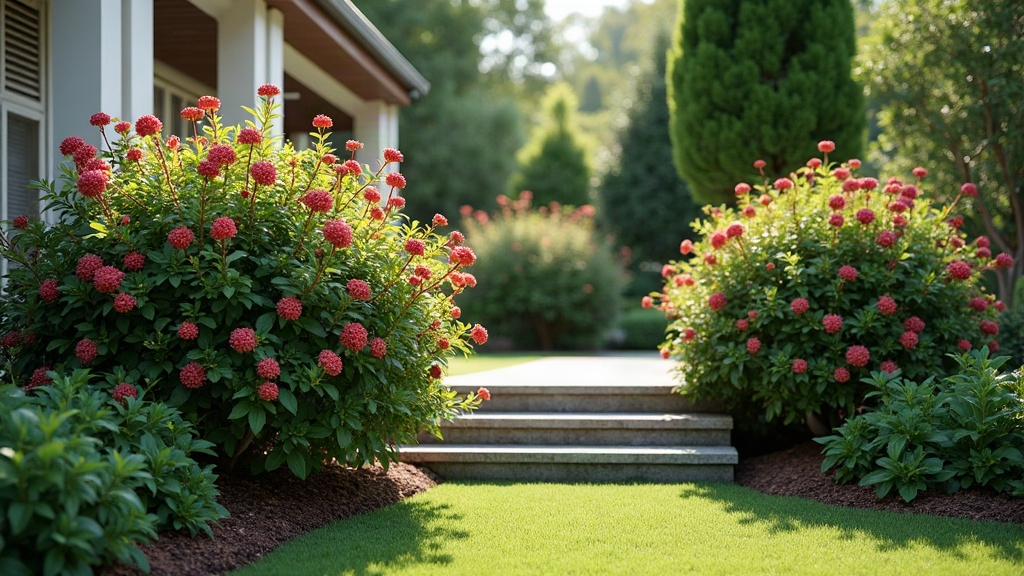
A north-east facing apartment terrace gets gentle morning light and stays cool and shaded for most of the afternoon. Sun-hungry fruits usually sulk in that kind of spot, but a handful of compact berry bushes actually do better there than they would baking in full sun. The strongest picks for this exposure are lingonberry, red and white currants, gooseberries, and dwarf honeyberry cultivars. All four fruit reliably with just 3 to 5 hours of direct light and grow happily in pots.
Why North-East Exposure Changes Your Options
Most balcony berry guides assume a sunny south or west spot. A north-east terrace flips that script entirely:
- Morning sun only, which keeps temperatures cooler right when growth is at its peak.
- Lower overall light intensity, especially noticeable in autumn and winter.
- Better humidity retention, something many berries genuinely appreciate.
- Slower soil drying, so you’ll water less often, but pots without proper drainage run a real risk of root rot.
The takeaway: lean toward berries that evolved in woodland understories or cool northern climates. Skip anything bred for desert or Mediterranean conditions.
Top Compact Berry Bushes for Shade-Leaning Terraces
1. Lingonberry (Vaccinium vitis-idaea)
Native to Scandinavian forest floors, lingonberry might be the single best match for a cool, partly shaded terrace. Think of it as the plant equivalent of someone who thrives in overcast weather.
- Grows only 15 to 25 cm tall, small enough to sit at windowsill height in a container.
- Evergreen, so it keeps the terrace looking green even in months when there’s no fruit at all.
- Prefers acidic, well-drained soil (an ericaceous compost does the job nicely).
- Shrugs off temperatures down to -40°C, so a cold, exposed winter terrace won’t faze it one bit.
2. Red and White Currants (Ribes rubrum)
Currants are woodland-edge shrubs by nature, so shade tolerance is basically baked into their genetics.
- Compact cultivars like ‘Rovada’ or ‘Rolan’ stay under 1 meter when grown in a large pot.
- They still hang heavy with tart berry clusters even in partial shade, no full sun required.
- Prune into an open “goblet” shape so air moves freely through the branches, which matters more in humid, shaded corners than people realize.
3. Gooseberries (Ribes uva-crispa)
Gooseberries are unusual among fruiting shrubs: they actually prefer a bit of shade. Blast them with too much direct sun and the fruit scorches.
- Dwarf or patio varieties like ‘Captivator’ (nearly thornless, which your forearms will thank you for) fit comfortably in a 40 cm pot.
- They handle cool, damp conditions better than most berries on this list.
- Pick early if you want tart cooking berries, or leave them on the bush a bit longer for a sweeter, dessert-ready fruit.
4. Dwarf Honeyberry (Lonicera caerulea)
This one’s gaining a real following among people gardening on cold, low-light balconies, and for good reason.
- Extremely cold-hardy, surviving down to -45°C, and it’s one of the very first berries to fruit each spring.
- Compact cultivars top out around 1 meter.
- Needs a second, different cultivar nearby for cross-pollination, so plan on two pots side by side rather than one lonely bush.
5. Alpine Strawberries (Fragaria vesca)
Not technically a bush, but it earns a spot here for underplanting larger pots.
- These are forest-floor plants by nature, so they cope with low light far better than the standard strawberries sold at garden centers.
- They keep producing small, intensely flavored fruit from June right through the first frost.
Container and Care Tips
- Pot size: at least 30 cm diameter for currants and gooseberries; 20 cm works fine for lingonberry.
- Drainage: add a 3 to 5 cm layer of gravel or broken terracotta at the base. Cool, shaded terraces hold onto moisture longer than sunny ones, so drainage matters even more here.
- Soil: an ericaceous mix for lingonberry and honeyberry; a general fruit compost with extra grit for currants and gooseberries.
- Feeding: a balanced slow-release fertilizer in spring. Skip high-nitrogen feeds, they push out leafy growth at the expense of fruit.
- Winter protection: cluster pots together against a wall to break the wind chill, and only wrap them in horticultural fleece during hard frosts below -15°C.
Common Mistakes to Avoid
- Planting sun-lovers like raspberries or blueberries anyway, hoping they’ll adapt. They’ll usually survive, but fruiting will disappoint you.
- Overwatering. North-east terraces dry out slowly, so check the soil with a finger before watering rather than sticking to a fixed schedule.
- Forgetting cross-pollination for honeyberry. One lone bush will flower beautifully and give you nothing to show for it.
Conclusion
A cool, north-east terrace isn’t a handicap, it’s just a different growing niche. Lingonberry, currants, gooseberries, and honeyberry aren’t merely tolerating these conditions, they genuinely prefer them over blazing sun. Match the plant to the light instead of fighting the exposure, and you’ll end up with a productive, low-fuss berry patch right outside your window.