Best Compact Climbing Vegetables for Balcony Trellises
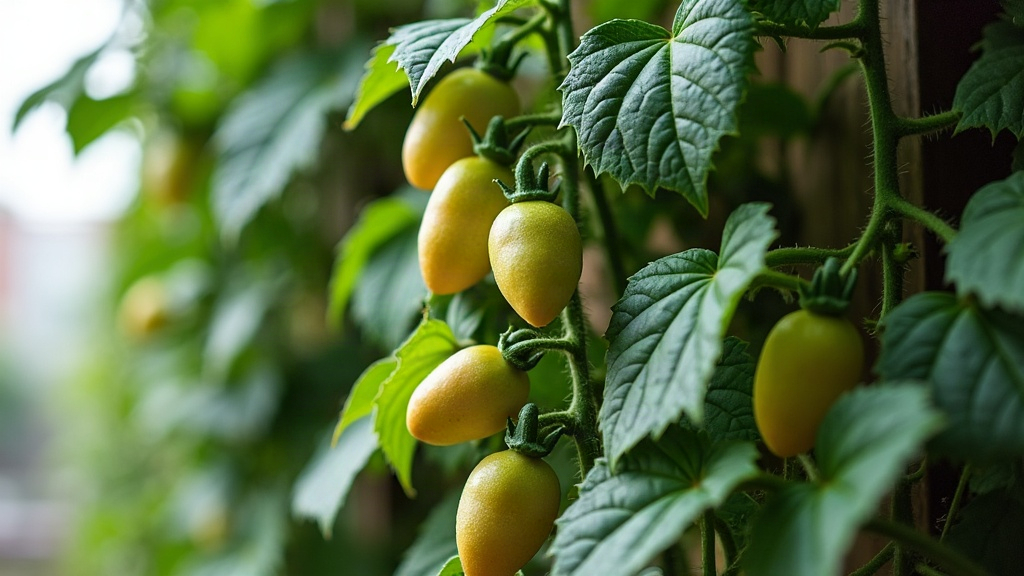
Best Compact Climbing Vegetables for Balcony Trellises Under 4 Feet
If your balcony trellis tops out at 4 feet, you’re not stuck with lettuce and herbs. Bush-style cucumbers, dwarf beans, compact peas, mini squash, and small-fruited tomatoes trained vertically all work on a short support, and they’ll actually produce something worth eating. The trick isn’t finding “tiny” plants exactly. It’s picking container-friendly cultivars, anchoring a support that won’t tip over in a gust of wind, and giving the roots enough space and water—whether through self-watering planters or hand watering—to do their job.
A short trellis can turn a railing, a bare wall, or even a single large pot into real growing space. Standard vining crops sprawl 8 to 15 feet given the chance, but plenty of modern varieties were bred on purpose for patios, containers, and cramped city gardens. That’s the pool you want to fish from.
What Makes a Vegetable Suitable for a Short Balcony Trellis?
A plant doesn’t have to be miniature to work on a 4-foot trellis. It just needs manageable vines, a light fruit load, and a habit that responds well when you pinch and tie it.
When you’re shopping seed packets or nursery starts, check for:
- Bush, dwarf, patio, or compact labels printed right on the packet
- Vines under 4 to 6 feet, or ones that tolerate pinching back without sulking
- Small to medium fruit, since a five-pound squash will yank a flimsy trellis right off the wall
- Fast maturity, which matters a lot when your balcony season is shorter than a backyard garden’s
- Container suitability, ideally stated outright by the breeder
Whatever trellis you use, anchor it well to the pot, wall, or railing before you plant. A bamboo teepee is plenty for peas. Cucumbers and tomatoes want something sturdier, like a metal grid, a wooden lattice, or a rigid plant cage.
1. Compact Bush Cucumbers
Cucumbers reward vertical growing more than almost anything else on this list. Lift the foliage off the ground and you get better air circulation, cleaner fruit, and fewer slugs. For a short trellis, skip the long-vining slicers and go compact.
Worth trying:
- Spacemaster 80 – Compact plants with 7- to 8-inch slicers
- Bush Champion – Short vines, surprisingly heavy yields for its size
- Patio Snacker – Built for pots and small supports from the start
- Picklebush – Great if you actually want to pickle, and stays contained
One cucumber per 5-gallon container is plenty, or squeeze two into a larger rectangular planter. Train young stems onto the trellis with soft ties as they grow, and check the plant every couple of days once summer heat hits, because cucumber vines can put on several inches overnight.
They want a minimum of six hours of direct sun and soil that never fully dries out. Let the watering get spotty and you’ll end up with bitter, misshapen fruit, which is honestly one of the more annoying things that can happen to an otherwise healthy plant.
2. Dwarf and French Climbing Beans
Beans earn their spot here: fast growth, nitrogen-fixing roots, and heavy production from a small footprint. Most pole beans climb tall, sure, but a handful of shorter varieties fit a 3- or 4-foot support without a fight.
A few to consider:
- French Filet pole beans, the shorter-growing strains
- Hestia, a compact runner bean actually bred for containers
- Mascotte, technically a bush bean but great for a small vertical display anyway
- Blue Lake bush beans, not true climbers, but they tidy up nicely with light support
If you specifically want a climbing bean, read the vine-length listing before you buy. Plenty of pole beans blow past 8 feet and will need constant trimming on a short trellis, which gets old fast. For less fuss, bush beans on a small grid usually win.
Sow directly into warm potting mix once frost danger has passed. Beans hate having their roots disturbed, so skip the transplanting and just sow where they’ll grow.
3. Compact Peas for Cool-Season Balconies
Peas might be the easiest thing on this whole list. Many dwarf varieties top out at 2 to 4 feet naturally, so they suit a short trellis almost by default.
Good picks:
- Little Marvel, a classic dwarf shelling pea
- Sugar Ann, a compact snap pea that matures quickly
- Oregon Giant, a productive snow pea that stays manageable with light training
- Tom Thumb, tiny plants that fit in small pots without complaint
Peas like it cool, so plant in early spring or fall rather than fighting them through midsummer heat. A light net trellis, a twig frame, even a narrow wire panel will do, since pea tendrils are thin and grab onto almost anything.
Use a pot at least 8 inches deep, space seeds roughly 2 inches apart, and pick pods often. The more you harvest, the more the plant keeps producing.
4. Mini Squash and Compact Zucchini
Squash on a balcony trellis sounds like a stretch, but compact varieties handle it fine with a bit of attention. Stick to mini pumpkins, patio zucchini, or short-vine summer squash. Full-size winter squash is a different story: skip it unless you’ve got a big container and a genuinely strong support.
Try:
- Patio Star zucchini, compact and built for containers
- Astia zucchini, another one bred specifically for pots
- Honey Bear acorn squash, short-vined, though it still wants room
- Jack Be Little pumpkin, small, ornamental, and edible
For the vining types, go with a 10- to 15-gallon container and a rigid trellis, nothing flimsy. Once fruit starts to hang, sling it in a fabric hammock so the weight doesn’t snap the vine. One plant per pot is usually all the space allows anyway.
Squash needs rich soil, strong sun, and steady feeding. A slow-release organic fertilizer at planting, then a liquid feed every two to three weeks, makes a noticeable difference in yield.
5. Dwarf Indeterminate Cherry Tomatoes
Technically tomatoes don’t climb, they just flop, but compact indeterminate cherry varieties train nicely onto a short trellis. For a sunny balcony, they’re one of the most practical crops around: steady production, small footprint once pruned.
Look for:
- Tumbling Tom, better in a hanging basket or trailing pot than a trellis
- Balcony Yellow, small-fruited and naturally compact
- Tiny Tim, a true dwarf cherry tomato for small pots
- Vilma, productive and restrained in habit, good for patios
Determinate or dwarf types are the low-maintenance route. If you go with an indeterminate cherry variety instead, strip the lower leaves, loosely tie the main stem up the trellis, and only pinch side shoots once things start getting crowded.
Give tomatoes a 5-gallon pot minimum, though 10 gallons pays off over a full season. Set them in the sunniest corner you have, and water deeply whenever the top inch of soil goes dry.
How to Build a Productive Balcony Trellis Setup
Everything starts with the container. A lightweight pot will tip the moment plants get tall or fruit gets heavy, so choose something wide-bottomed, or weight the base yourself with a few bricks or stones.
For most of the crops above, this setup works well:
- A container at least 12 inches deep for peas and beans
- A 5-gallon pot for cucumbers and tomatoes
- A 10-gallon or larger container for squash
- A trellis 3 to 4 feet tall, secured before you plant anything
- Good-quality potting mix, not garden soil dug out of the yard
- A layer of mulch on top to slow moisture loss
Before you plant, watch how the sun actually hits your balcony over a day or two. Cucumbers, tomatoes, and squash want six to eight hours of direct sun to fruit properly. If you’re only getting four or five hours, don’t fight it: lean into peas, leafy greens, and herbs instead, and save the fruiting crops for a sunnier corner if you have one.
Conclusion
A trellis under 4 feet is no real obstacle to growing your own vegetables on a balcony. Start with dependable crops like peas, bush cucumbers, compact beans, and dwarf tomatoes, then match each one to the right pot and support. Pick the right varieties and you’ll get a surprisingly generous harvest from a setup that barely takes up any floor space at all.