Best Low-Light Edible Plants for an East-Facing Fire Escape
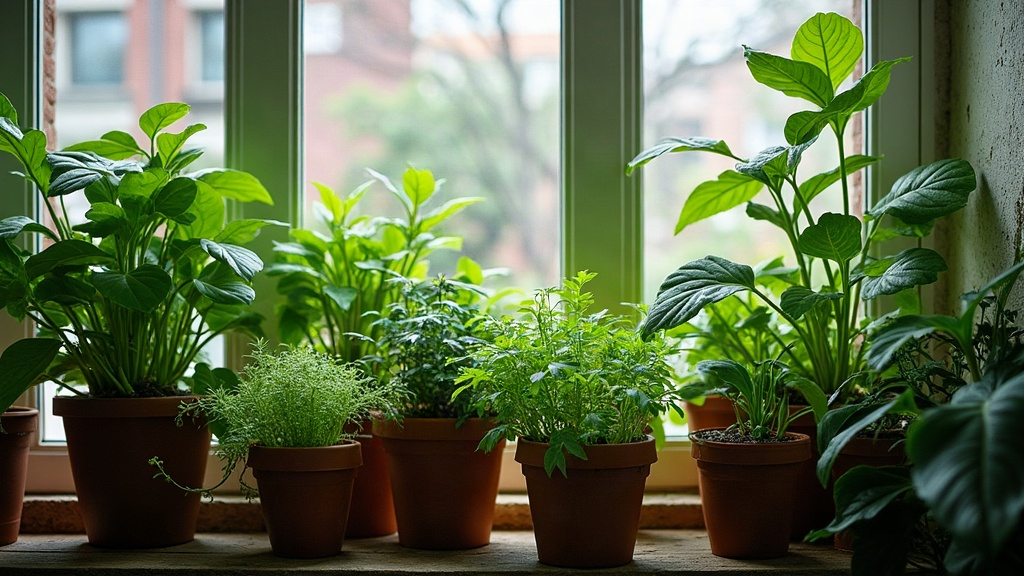
An east-facing fire escape gets a handful of gentle morning sun and then settles into shade for the rest of the day. Sounds restrictive, right? It’s actually one of the better microclimates you could ask for if you’re growing food in a tight city space. Leafy greens, a good chunk of common herbs, and a few shade-tolerant root crops all do well in exactly this kind of light, partly because harsh afternoon sun would just scorch their leaves anyway. Here’s a practical rundown of what grows best in that spot, how to set things up without annoying your landlord or the fire department, and how to keep the whole setup producing through the season.
Why East-Facing Light Works in Your Favor
An east-facing spot usually gives you somewhere between 3 and 6 hours of soft, indirect morning light before the sun swings overhead and moves on. Gardeners would call that “part shade” to “bright indirect light,” not full sun (which means 6+ hours of direct afternoon exposure), but nowhere close to total darkness either.
A few reasons this works in your favor:
- Morning light runs cooler and softer, so you get less leaf scorch and less water stress overall.
- Plants that struggle under harsh midday sun often do better here than they would on a south-facing ledge.
- Containers hold moisture longer, so you’re not watering every single day.
Top Low-Light Edible Plants to Try
Leafy Greens
Greens are really where this kind of garden shines. Most lettuce and salad greens bolt faster under strong sun anyway, so a fire escape with gentle morning light is close to ideal.
- Lettuce (loose-leaf varieties), ready in 30-45 days; just keep picking the outer leaves and new ones will fill in.
- Spinach, handles part shade fine and grows quickly in cool morning air.
- Arugula, peppery, fast to mature, more shade-tolerant than people expect.
- Swiss chard, more flexible with light than most greens, and the colorful stems look good enough to justify growing it for looks alone.
- Mustard greens, copes with lower light better than a lot of greens and grows quickly once it gets going.
Herbs That Don’t Need Full Sun
- Mint, does well in partial shade (and honestly, keep it in its own pot regardless, since it’ll take over anything nearby).
- Chives, happy with just a few hours of morning sun.
- Parsley, a biennial that actually appreciates some shade cover once summer heats up.
- Cilantro, bolts fast when it gets hot, so morning-only sun buys you a few extra weeks before it flowers.
Root Vegetables Worth Trying
- Radishes, quick (20-30 days) and pretty forgiving about light levels.
- Green onions/scallions, do fine in narrow containers and don’t mind the shade.
Setting Up Your Fire Escape Garden Safely
Two things to check before you plant anything:
- Local fire code compliance. A lot of cities require a clear walking path on fire escapes, no exceptions. Keep containers pushed against railings or walls, never anywhere near the stairway or ladder.
- Weight and drainage. Go with lightweight plastic pots or fabric grow bags rather than heavy ceramic ones, and always use catch trays under them. Your downstairs neighbors will appreciate not getting dripped on every time it rains or you water.
Container Tips
- Aim for pots at least 6-8 inches deep for greens and herbs; radishes can get by with less.
- Use a well-draining potting mix and work in some compost for nutrients.
- Group pots close together so they get fairly even morning light instead of one shading out another.
Watering and Feeding in Lower Light
Lower light means slower growth, which means your plants drink less than a full-sun garden would. That’s not an excuse to ignore them, though.
- Stick a finger in the soil every day or two; water once the top inch feels dry.
- Feed every 2-3 weeks with a diluted liquid fertilizer. Container soil runs out of nutrients much faster than an in-ground bed does.
- Spin the pots around now and then if one side is clearly getting more light than the other.
What to Avoid
Don’t bother with full-sun crops like tomatoes, peppers, or most other fruiting vegetables. They’ll stretch out thin, look leggy, and give you next to nothing in part shade. Stick to greens, herbs, and fast roots on a space like this.
Final Thoughts
An east-facing fire escape isn’t really a limitation once you see it for what it is: a microclimate built for some of the easiest, fastest-growing edible plants around. Get the containers right, water consistently, and mix in leafy greens, a few shade-loving herbs, and quick radishes, and you’ll be harvesting real food from a corner of the building most people walk past without a second glance. Start with two or three pots, watch what actually thrives in your specific patch of morning light, and build out from there.