Pollinator Water Station That Won't Attract Mosquitoes: A Guide
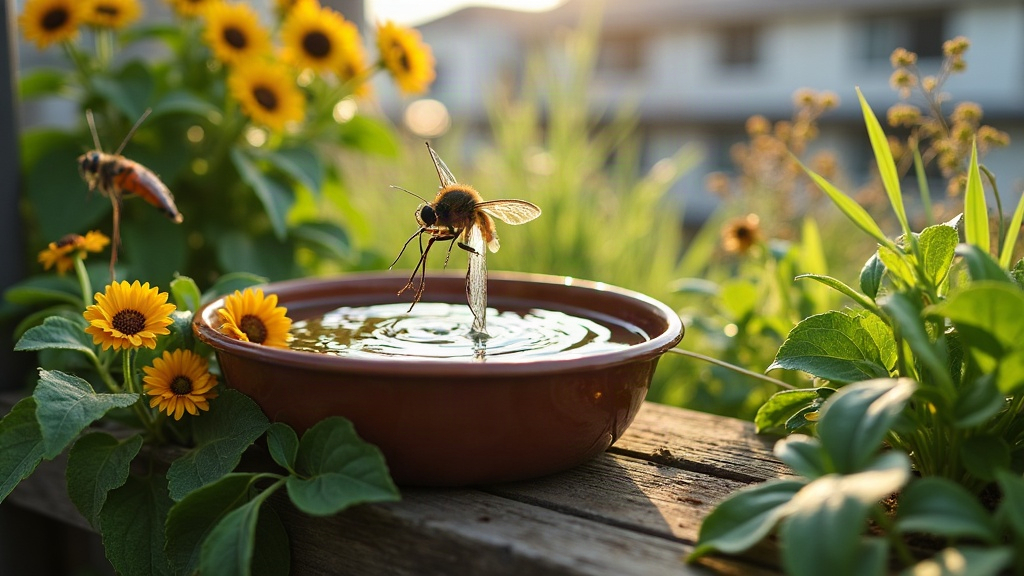
Bees, butterflies, and other pollinators need a steady water supply just as much as they need flowers. The problem is that standing water is also mosquito breeding ground number one. The good news: you can build a water station that quenches thirst without turning into a mosquito nursery. The trick is shallow depth, a bit of movement, and a weekly refresh habit you actually stick to.
Why Pollinators Need a Water Station
Bees use water to cool the hive, dilute honey for the larvae, and keep humidity in check inside the colony. Butterflies do something different: they “puddle,” landing on damp, mineral-rich soil to soak up salts and nutrients through their proboscis. If you’ve got a balcony or a small garden, a dedicated water station matters because it keeps pollinators from drowning in swimming pools, bird baths, or the dog’s water bowl, none of which offer a proper landing spot.
The Mosquito Problem (and Why It’s Avoidable)
Mosquitoes need roughly 7 to 10 days of undisturbed standing water to go from egg to adult. Break that window, through shallow depth, evaporation, or just stirring the water up, and the whole cycle collapses before it starts. So no, a pollinator station doesn’t have to sit stagnant to do its job. It just needs a little attention every few days.
Step-by-Step: Building a Mosquito-Safe Water Station
1. Choose a Shallow, Wide Container
Go with a shallow dish, a saucer, or a low birdbath, nothing deeper than 1 to 2 inches. Bees can’t swim, so depth is risky for them regardless of mosquitoes. Shallow water solves both problems at the same time.
2. Add Landing Materials
Fill the dish with:
- Clean pebbles, marbles, or river stones
- Wine corks (they float and give insects something to grip)
- A small chunk of untreated wood
These give pollinators a dry spot to stand on while drinking, so they don’t risk drowning, and they also shrink the open water surface where mosquito larvae would otherwise set up shop.
3. Keep Water Levels Low
Fill the water just below the top of the stones, enough that an insect standing on a rock can reach it, but not so much that there’s a deep pool hiding underneath. A basin that’s mostly rock with a thin layer of water naturally leaves mosquitoes almost nowhere to lay eggs.
4. Change the Water Every 2-3 Days
This is the single most important step, full stop. Mosquito eggs need about a week of calm, undisturbed water to hatch and develop. Dump and refill every 2 to 3 days and you cut that cycle off before it even gets going, even during a heat wave.
5. Add Movement If Possible
A small solar fountain pump, a hose set to drip slowly, or even a cheap floating “wiggler” agitator will keep the surface moving. Mosquitoes strongly prefer still water, so even a light ripple is often enough to send them elsewhere to lay eggs.
6. Position in Partial Shade
Full sun speeds up evaporation, which actually helps your refresh schedule, but it can also overheat the water and stress out the pollinators drinking it. Partial shade near flowering plants is the sweet spot: cooler, more inviting, and it still dries out faster than a spot buried in full shade where water just sits.
Bonus: A Butterfly Puddling Station
Butterflies want something slightly different. Mix sand with shallow water and a pinch of sea salt or wood ash in a flat saucer. Keep it just as shallow, refresh it on the same 2 to 3 day rhythm, and you’ll likely see butterflies gathering there for minerals, particularly in late summer when natural puddles start drying up.
What to Avoid
- Deep buckets or open barrels. These are mosquito magnets, plain and simple, and a serious drowning hazard for bees.
- Letting water sit untouched for a week or more. That’s precisely the window mosquitoes need to complete their life cycle.
- Chlorinated tap water used straight from the tap. Let it sit out for 24 hours so the chlorine dissipates, or just use filtered water instead.
- Placing the station far from your flowers. Pollinators are creatures of habit; they’re far more likely to notice and use a station that sits along their existing foraging route.
Maintenance Checklist
- Refill and give it a light scrub every 2-3 days
- Check for algae weekly, scrub with a brush (skip the soap)
- Swap out stones once they start feeling slimy
- During heat waves, keep an eye on evaporation, you may need to top it off daily
Conclusion
A good pollinator water station really comes down to three things: shallow water, secure landing spots, and refreshing it every 2 to 3 days without fail. Funny enough, the exact habits that keep bees and butterflies from drowning are the same ones that stop mosquitoes from ever completing their breeding cycle. A few minutes of upkeep a week, and your balcony or garden ends up with a genuinely useful water source, no unwanted pests included.