Potted Lavender Turning Gray After Humid Rain? Here's Why
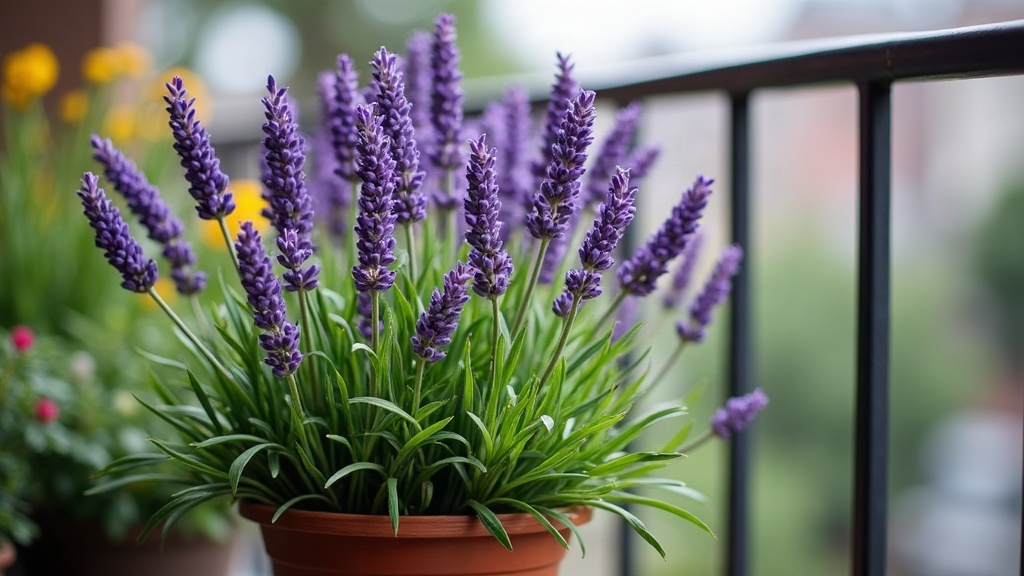
If your potted lavender has gone dull gray after a week of muggy city rain, chances are you’re dealing with root suffocation, some kind of fungal growth, or a powdery mildew and botrytis combo brought on by too much moisture and too little airflow. Lavender is a Mediterranean plant, bred over generations for dry, sunny, fast-draining conditions. A stretch of soggy, stagnant, humid weather is pretty much the exact opposite of what it wants. And here’s the thing: that gray color you’re seeing almost never comes from one isolated problem. It’s usually a chain reaction that starts down in the roots and only shows up on the leaves days later, once the damage is already underway.
Why Humid Rain Hits Potted Lavender So Hard
In-ground lavender has some cushion against waterlogging. Potted plants don’t. City rain tends to fall on top of conditions that are already humid and airless (think balconies, tight courtyards, buildings packed close together), and that combination causes a few specific problems:
- Soil stays wet longer than it would in an open garden bed.
- Air barely moves, so leaves stay damp for hours instead of drying off within an hour or two.
- Drainage holes get blocked, often by saucers that fill with standing water and quietly turn the pot into a mini swamp.
Roots need oxygen to function, full stop. When soil sits saturated for days at a time, roots start to suffocate and rot, and that stress travels upward, showing up as grayish, dry, or wilted foliage. Confusing, right? The plant looks thirsty and stressed even though it’s drowning.
The Three Most Likely Causes
1. Root Rot from Waterlogged Soil
This is cause number one, by a wide margin, for lavender that suddenly looks gray and sickly after a heavy rain spell. Watch for:
- Gray or brown discoloration starting right at the base of the stems
- Stems that feel soft or mushy near soil level
- A sour, musty smell coming from the pot itself
- Leaves that look papery and gray-green instead of firm and silvery
Fix: Tip the plant out of its pot gently and take a look at the roots. Black, mushy, foul-smelling roots need to go. Trim away the rotten sections, repot into a fresh, gritty, fast-draining mix (perlite or pumice mixed in helps a lot), and don’t water again until the top 2 inches of soil are completely dry. That last part matters more than people think.
2. Powdery Mildew or Botrytis (Gray Mold)
High humidity plus still air is basically a fungal outbreak waiting to happen. Botrytis cinerea, better known as gray mold, coats stems and leaves in a fuzzy gray-brown layer, usually starting in the densest, most crowded part of the plant.
Check for:
- A fuzzy or powdery texture, not just plain discoloration
- Gray patches clustered on the lower, inner branches where air barely reaches
- Spread that happens fast, within 3 to 5 days
Fix: Cut out affected stems right away with clean, sharp shears (don’t skip the “clean” part, dirty blades spread spores). Give plants more breathing room and thin the canopy so air can actually move through it. Skip overhead watering while it recovers. A diluted neem oil spray, or a copper-based fungicide, can help slow things down.
3. Sooty Mold from Aphid or Whitefly Activity
Humid stretches often bring an aphid boom, and aphids leave behind sticky honeydew. Sooty mold fungus loves that stuff and moves in, leaving a gray-black film across the leaf surface.
Fix: Wipe the leaves down with a damp cloth, spray with insecticidal soap, and check the undersides of the leaves, that’s where the pests usually hide.
What To Do Right Now
- Move the pot to a spot with better airflow, and if more rain is coming, give it temporary cover.
- Check the drainage holes. Clear anything blocking them and dump out saucers right after every rain.
- Inspect the roots if the plant looks badly stressed. Don’t wait around for a full collapse before acting.
- Prune the affected growth to slow fungal spread and open up airflow.
- Switch to bottom watering, or infrequent deep watering, instead of light daily sprinkles or misting.
Preventing It Next Time
- Go with terra-cotta pots instead of plastic. They wick moisture away naturally, which plastic simply can’t do.
- Raise pots slightly off the ground or balcony floor so air can move underneath and drainage isn’t blocked.
- Use a gritty, sandy mix made for Mediterranean herbs, not a standard moisture-retentive potting soil.
- Give each lavender pot some breathing room instead of clustering them shoulder to shoulder.
Conclusion
A gray, sad-looking potted lavender after a humid rainy stretch is almost always a moisture stress response: root rot, fungal disease, or more often, both feeding off each other. The reassuring part is that lavender bounces back once drainage and airflow get fixed. Check the roots, cut away the damaged growth, and put the plant back in the dry, breezy setup it was built for over thousands of years in the Mediterranean. Give it a few weeks, and it should come back looking like itself again.