Rescuing Rosemary in Pots After Weeks of Heavy Urban Rain
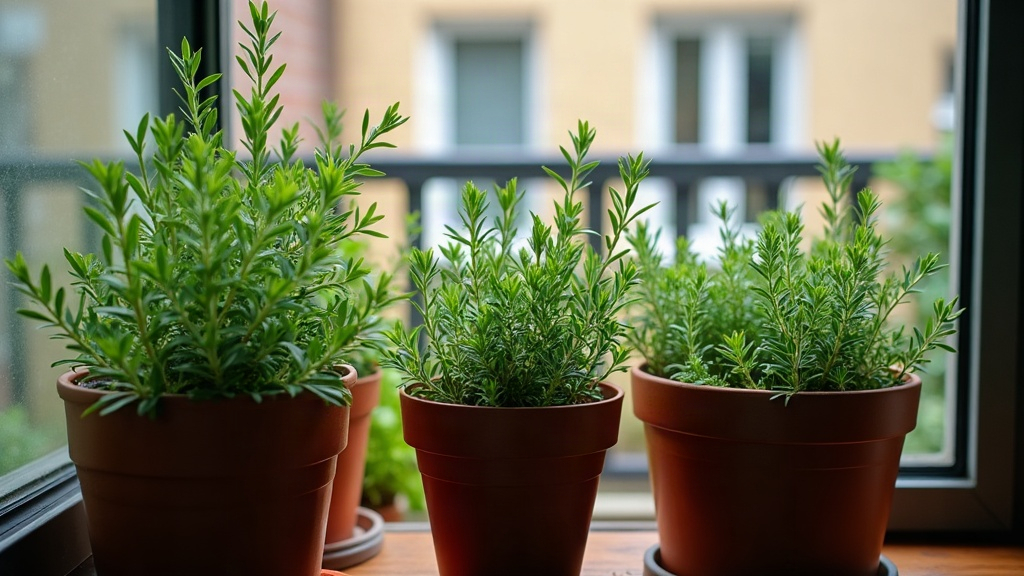
If your potted rosemary has spent the last few weeks getting hammered by city rain and now looks yellow, droopy, or strangely soft near the base, drought isn’t your problem. Waterlogged soil and early root rot are. The good news is that rosemary is a tough, scrappy Mediterranean herb. Catch it in time and most plants pull through. Here’s exactly how to figure out what’s wrong and nurse it back.
Why Rosemary Hates Prolonged Rain
Rosemary comes from dry, rocky, fast-draining hillsides around the Mediterranean. It’s built for drought, not for sitting in a puddle. In a city setting, things get worse for a few reasons:
- Balconies and patios trap water. Runoff from walls, gutters, or the balcony above yours can dump extra rain straight into your pots.
- Urban containers often drain badly. That nice ceramic pot from the garden center might not have enough holes, or a saucer underneath is quietly holding water.
- Heavy rain compacts potting mix, squeezing out the air pockets roots depend on.
- Back-to-back rainy days never give the soil a chance to dry, so roots stay wet around the clock.
When roots sit in saturated soil for days on end, they’re essentially drowning, cut off from oxygen. That’s what triggers root rot, a fungal condition that rots the root system from the inside out.
Signs Your Rosemary Is Struggling From Excess Rain
Before you decide how to treat it, check for these symptoms:
- Yellowing or browning needles, often starting on the lower branches
- Needles that fall off if you so much as brush the stem
- A musty, sour, swampy smell coming from the soil
- A soft, mushy, or blackened base right at the soil line
- Wilting even though the soil is wet (a dead giveaway of root damage, since damaged roots can’t pull up water even when there’s plenty around)
- Soil that’s still soggy days after the rain has stopped
Dig gently around the base. If the roots underneath are black and mushy, root rot has already taken hold and you’ll need to act more aggressively than just moving the pot indoors.
Step-by-Step Rescue Plan
1. Move the Pot Somewhere Dry, Right Now
Get it under a roof, an awning, or indoors by a bright window. Cutting off the water supply is the single most urgent thing you can do.
2. Check and Fix Drainage
- Tip the pot and see if water’s pooling at the bottom. No drainage hole? Drill one, or three, before doing anything else.
- Pull out any saucer or tray that’s been quietly collecting water underneath.
- Prop the pot up on feet or a couple of bricks so excess water has somewhere to go.
3. Let the Soil Dry Out Properly
No watering, full stop, until the top 2 to 3 inches of soil are dry to the touch. Depending on humidity, that might take a week, sometimes longer. Don’t water on autopilot because “it’s Tuesday.” Stick a finger in the soil and check.
4. Inspect and Trim the Roots
If the plant is clearly struggling:
- Slide it gently out of the pot.
- Rinse the soil off the roots so you can actually see them.
- Healthy roots are firm and white or tan. Rotten ones are dark, mushy, and smell off.
- Snip away anything blackened or slimy using clean, sharp scissors.
- Repot into a fresh, fast-draining mix (recipe below).
5. Repot With a Better Mix
Bagged potting soil holds way more moisture than rosemary wants. Blend instead:
- 40% regular potting soil
- 30% coarse sand or perlite
- 30% small gravel or pumice
That combination mimics the rocky, free-draining ground rosemary actually grows in, and it stops this from happening again.
6. Prune Back Damaged Growth
Cut off any yellowed, mushy, or blackened stems. That way the plant spends its energy rebuilding roots and growing fresh new shoots instead of propping up dying tissue.
7. Hold Off on Fertilizer
Skip the fertilizer while the plant is stressed. It can’t absorb nutrients properly right now anyway, and the extra salts will only put more strain on roots that are already damaged. Wait for clear signs of new growth first.
Preventing This From Happening Again
- Keep pots elevated on feet, bricks, or a proper stand, all year, not just during storms.
- Switch to terracotta or unglazed clay if you’re still using plastic or glazed ceramic. Clay breathes and wicks moisture away far better.
- Layer gravel or broken pottery at the bottom of the pot before adding soil.
- Bring pots under cover whenever a multi-day rain forecast shows up.
- Check drainage holes every so often. Roots and debris clog them more often than people expect.
When to Give Up vs. Keep Trying
Rosemary is stubborn in the best way. A plant that looks 70% dead can often come back from just one healthy stretch of root and stem. Only consider starting fresh if:
- The whole root system is black and mushy with no firm roots anywhere
- The main stem has gone soft and is collapsing at the base
- There’s not a single patch of green, flexible growth left on the plant
Conclusion
A few weeks of relentless urban rain can push potted rosemary straight into root rot territory, but most plants bounce back with quick action: fix the drainage, give the soil time to dry, trim away dead roots if needed, and repot into a mix that actually drains. Take this as your cue to rosemary-proof your pots before the next downpour. A couple of small drainage fixes now will save you this whole headache next rainy season.