Growing Compact Finger Limes in Containers in Mild Winters
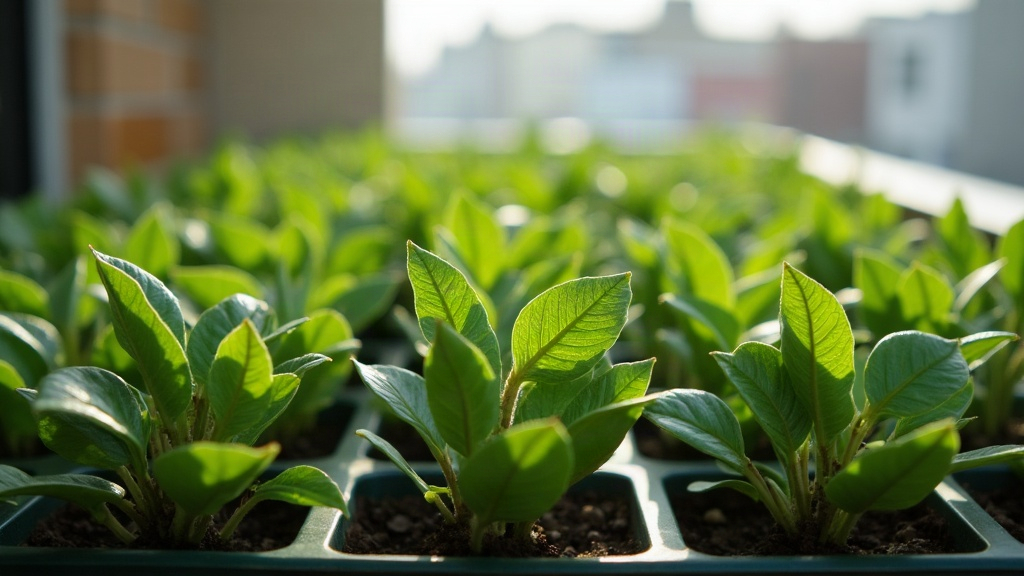
Growing compact finger limes in containers is one of the most satisfying projects you can take on if you live somewhere with mild winters (coastal Southern California, the Gulf Coast, parts of the Mediterranean, Australia’s temperate belt). These slow-growing, thorny native Australian citrus trees (Citrus australasica) produce elongated fruit packed with caviar-like vesicles that chefs go crazy for and home cooks are slowly catching onto. Give them the right pot, the right soil, and some seasonal attention, and even a gardener with zero ground space can be harvesting their own finger limes within a few years.
Why Containers Work So Well for Finger Limes
In the wild, finger limes grow as understory shrubs in Australian rainforests. That matters more than you’d think: it means they’re fine with partial shade and don’t need the deep root runs that standard citrus trees demand. In other words, they’re practically built for pot life.
- Slow, compact growth habit. Many cultivars top out under 6-8 feet even planted in the ground, and container culture keeps them smaller yet.
- Portability. In a mild winter city you might only need to shelter the tree a handful of nights each year, when frost actually threatens.
- Soil control. Finger limes hate soggy roots and alkaline soil. Managing that in a pot is far simpler than fighting your native garden dirt.
Choosing the Right Variety
Not every finger lime cultivar behaves the same way in a container, so pick a compact or dwarf-habit selection on purpose:
- ‘Rainforest Pearl’, pink pearl flesh, naturally bushy, slower growing.
- ‘Judy’s Everbearing’, fruits across multiple flushes through the season, a good fit for tight spaces.
- ‘Pink Ice’, ornamental as much as productive, a favorite for patio growing.
Grafted trees on dwarfing rootstock (Flying Dragon trumpet orange is the common choice) fruit sooner and stay smaller than seedling trees, which can take 8 to 10 years before bearing anything at all. That’s a long wait for a lime.
Pot, Soil, and Drainage Basics
Finger limes dislike wet feet more than almost any other citrus I’ve grown. Nail the growing medium and most of your problems just evaporate.
Pot Selection
- Start young trees in a 5-7 gallon pot; once mature, 15-20 gallons suits them well.
- Terracotta or fabric grow bags beat plastic here, since they let the root zone actually breathe.
- Always use pots with multiple drainage holes, and lift them slightly on pot feet so water isn’t trapped underneath.
Soil Mix
A reliable DIY blend: 60% high-quality citrus or cactus potting mix, 20% coarse perlite or pumice, 20% fine pine bark fines. That combination mimics the acidic, fast-draining rainforest floor these trees evolved on (aim for pH 5.5-6.5).
Light, Water, and Feeding in Mild Winter Climates
Sunlight
Finger limes tolerate more shade than other citrus, but they fruit best with 4-6 hours of direct sun. In hot inland spots, morning sun with dappled afternoon light works better than blasting them all day. In coastal mild winter cities, full sun year-round is usually no problem.
Watering
- Water deeply, then let the top 2 inches of soil dry before watering again.
- Cut back watering frequency by roughly a third during the cooler winter months.
- Never let the pot sit in a saucer of standing water. This alone kills more finger limes than frost does.
Fertilizing
Use a slow-release, low-phosphorus citrus fertilizer made for acid-loving plants, applied every 6-8 weeks through the active growing season (spring into early fall). If leaves start yellowing between the veins, a frequent issue where tap water runs alkaline, supplement with chelated iron or a citrus micronutrient spray.
Winter Protection Even in “Mild” Cities
Here’s the thing people forget: “mild winter” doesn’t mean frost-free. Finger limes can handle brief dips to roughly 28-30°F (-2 to -1°C), but repeated cold snaps stress the tree and wreck flower buds, which means fewer limes later.
- Move containers against a south-facing wall or tuck them under eaves on cold nights.
- Drape frost cloth over the canopy rather than plastic, which traps condensation and can do more harm than the cold itself.
- Only bring potted trees into an unheated garage or bright porch during hard freeze warnings. Even semi-dormant, these trees still need light.
Pruning and Shaping for Compact Growth
Prune lightly after the main spring flush to keep the structure open and airy, and to manage height. Cut out thorny inward-growing branches and any suckers below the graft union. Go easy, though: heavy pruning can push fruiting back a whole season.
Harvesting Your Finger Limes
Fruit usually ripens 4-5 months after flowering. You’ll know it’s ready by a slight color shift and a gentle give when you squeeze it. Cut the fruit off rather than pulling it, since the thorny branches make tugging a bad idea. Unopened fruit keeps in the fridge for up to three weeks, or you can freeze it whole for longer storage.
Conclusion
Finger limes are one of the rare true gourmet fruits that actually thrive in container culture, especially in mild winter cities where the real challenge is the occasional cold snap, not sustained freezes. Pick a compact or grafted dwarf variety, get the fast-draining acidic soil mix right, water with a bit of discipline, and only move pots to shelter on the genuinely cold nights. Stay consistent with that routine, and within two to three years you’ll be pulling your own citrus caviar straight off a patio tree.