Terracotta vs Glazed Ceramic Pots for Windy Balconies
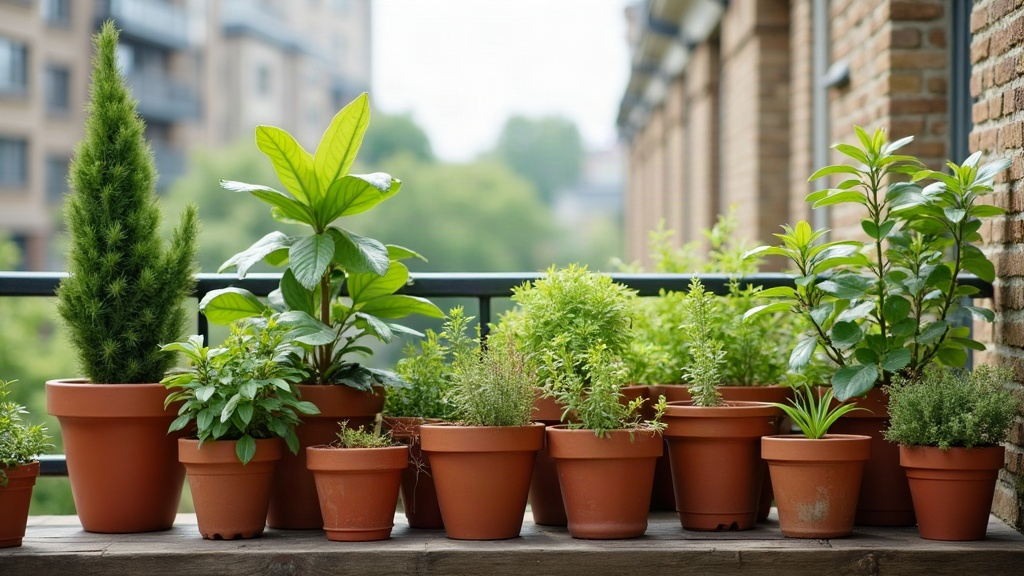
If your balcony sits high above the street or catches gusts whipping around the building corner, the pot matters just as much as the plant you’re putting in it. Terracotta generally has the edge for wind resistance, its rough, grounded profile and breathable walls help it stay put. Glazed ceramic pulls ahead on moisture retention and weatherproofing, though it often needs extra weight at the base so it doesn’t slide or tip. Here’s how to figure out which one actually fits your space.
Why Wind Changes the Rules
Down on a ground-floor patio, the pot you pick is mostly about looks and plant health. Up on a high floor, wind turns every pot into a physics problem. Tall, narrow, or top-heavy plants basically act like sails, and a gust that would never bother a backyard planter can tip one clean over on the 12th floor. Two things matter most here:
- Center of gravity. Wide-based, low-profile pots resist tipping far better than tall, narrow ones.
- Total mass relative to plant height. The pot needs enough weight at the bottom to counter wind pushing against the foliage up top.
Both terracotta and glazed ceramic can handle wind, but when they fail, they fail differently.
Terracotta: Breathable, Grounded, But Fragile
Unglazed terracotta (plain clay) is porous. Soil dries out faster, air reaches the roots, and plants that hate soggy feet, succulents, herbs, Mediterranean varieties, tend to thrive in it.
Wind advantages:
- Naturally heavier per volume than plastic or resin, so it starts with decent base stability.
- The rough, matte surface grips railings, ledges, and corners better than a glossy glaze would (less sliding).
- Comes in classic tapered shapes with wide bases as a default, which naturally resist tipping.
Wind drawbacks:
- Porous walls dry out fast, and wind speeds that up even more. Expect to water more often.
- Terracotta is brittle. Knock a pot over onto concrete and it’s far more likely to crack or shatter than a ceramic or plastic one would.
- The thin-walled terracotta sold at big-box stores is noticeably lighter and less stable than thick, kiln-fired Italian or Cretan pieces. Weight varies a lot by quality.
Best for: drought-tolerant plants like lavender, rosemary, succulents, or a young olive tree, where fast drainage is actually a plus. Works best tucked against a wall or corner that breaks the worst of the gusts.
Glazed Ceramic: Heavier, Weatherproof, Moisture-Retentive
Glazed ceramic gets a fired, glass-like coating that seals the clay and cuts down on porosity. That changes both how it gardens and how it handles wind.
Wind advantages:
- Usually thicker and denser than decorative terracotta, so bulbous or drum-shaped designs can have a genuinely low center of gravity.
- Non-porous walls hold moisture longer, which keeps soil heavier and more compacted (versus dry, light potting mix that shifts around easily).
- Holds up better to frost cracking and general weathering over multiple seasons, which counts if the pot lives outside year-round.
Wind drawbacks:
- That glossy finish can be slippery on smooth railings, tile, or metal decking. A strong gust doesn’t need to tip a pot if it can just walk it sideways.
- Decorative imported pieces, especially thin-walled ones, can be surprisingly light for their size. The “heavy equals stable” logic doesn’t always hold.
- Glaze chips on impact, and once it’s chipped, water gets in and can cause frost damage if you’re somewhere that freezes.
Best for: moisture-loving plants like ferns, hydrangeas, or tropical foliage, and for anyone who wants something that still looks good after three or four seasons outside, as long as it’s sitting somewhere with actual grip (rubber feet, a non-slip mat).
Practical Wind-Proofing Tips (Regardless of Material)
- Add ballast. A layer of gravel, sand, or broken pottery shards in the bottom third, before the soil, lowers the center of gravity without choking the root zone.
- Use pot feet or anti-slip pads. They stop sliding on smooth glazed bottoms and improve drainage at the same time, for either material.
- Group your pots. A cluster blocks wind for each other, and a gust has a much harder time catching just one.
- Go wide, not tall. A squat, wide-mouthed pot beats a tall vase shape every single time in wind, terracotta or ceramic doesn’t matter.
- Anchor to the structure. On a genuinely windy high floor (10th and up), zip-tie pots to railing brackets, or switch to rail planters that clip on instead of freestanding pots.
Which Should You Choose?
- Go with terracotta if you want natural stability, good drainage, and you’re growing drought-tolerant plants, and you’re okay with the idea that one might eventually crack.
- Go with glazed ceramic if moisture retention, weather resistance, and a polished look matter more to you, but plan on buying pot feet, grip pads, or gravel to counter the slipperiness and lightweight construction some pieces have.
Conclusion
Neither material is automatically wind-proof on its own. Build quality and where you place the pot matter more than the terracotta-versus-ceramic label ever will. For most windy apartment balconies, a thick-walled terracotta pot with a wide base is the safer bet, especially for drought-tolerant plants. Prefer glazed ceramic for its moisture retention and durability? Fine, just offset the risks with rubber feet, some ballast, and smart placement against a wall or corner where the wind actually breaks.